Posted on

Texas Blog: Contest Criteria

[twocol_one]


[/twocol_one] [twocol_one_last]


Hello to all in the skim community. I am starting to blog our story, our thoughts on our sport, and any other useful information that I think we should be talking about. Please tune in often, I will try to produce something a few times a week at first.

– Tex

[/twocol_one_last]

TODAY: CONTEST CRITERIA


[twocol_one]

    1. Decent venue, waves, parking, bathrooms, etc.
    2. 3 judges for Amateur, preferably older, more responsible, with some honor to lose if they fudge scores. If you are afraid of them not understanding the tricks, educate them. There is no substitute for age, experience and a sense of fairness. 5 judges for Pro heats, representing a wide range of manufacturers, and areas if possible.  Head judge breaks tie decisions.
    3. There must be a priority system. He who has just gone has least priority. He who has waited longest has priority. Announcer calls this, head judge backs this up. If man with priority does not go, next in line may go, etc. Easy because announcer calls the situation as it occurs.
    4. Cut-off penalty is loss of highest scoring ride. By judge’s decision, after heat has finished. Contestants do not have to request a ruling.
    5. Riders must go left and right to get a decent score. Because we are testing the contestants to see who is best, the most versatile, the most skilled. 3 rides from one direction 2 from the other.  Or 2 rides from one direction and 1 from the other.  Anything less is not a good test of skills.
    6. Timer for contestants to see.
    7. Judges area is either up above crowd, or separated from crowd, but all together so information may be shared if rides are missed. Spreading out judges in two areas hinders communication and is too open to second guessing by the bystanders. There must be a head judge.
    8. There must be an announcer. He must be upbeat, complimentary, promote the sponsors and minimize the team affiliations comments, so it is less of  a commercial. He should announce a possible interference when he sees it.
    9. Live scoring is nice, but final results should not be revealed until judges have concurred there were no interference problems.
    10. Man on man heats are great for the judges, but far less exciting for the spectators. It is far more of a certain outcome for two riders than for three and that keeps the excitement going.
    11. If a contest cannot meet these minimal standards, it should not be considered a major event.
    12. A major contest should have a pro field of at least 20 pros.
    13. A contest series should kept local enough for all the contestants to be able to afford to attend.
    14. A decent contest series could include the Vic, The Oktoberfest (with improvements), and one other. Preferably in LA or Santa Cruz.  Although I consider the Santa Cruz to be too small in number of contestants and too understaffed (Older judges needed) to be qualified. Judges should be hired, $200 per weekend. Judges are the key.
    15. The winners of the regional contest series, West Coast, East Coast, Hawaii, Mexico, Australia, Japan, Chile, would be invited to a World Championships in a revolving location hopefully as geographically centrally located as possible.
    16. It would be nice if all contests had waiting periods of one week. However this may not be possible.

[/twocol_one] [twocol_one_last]


[/twocol_one_last]

Posted on

How to wrap a wave, with Teddy Vlasis

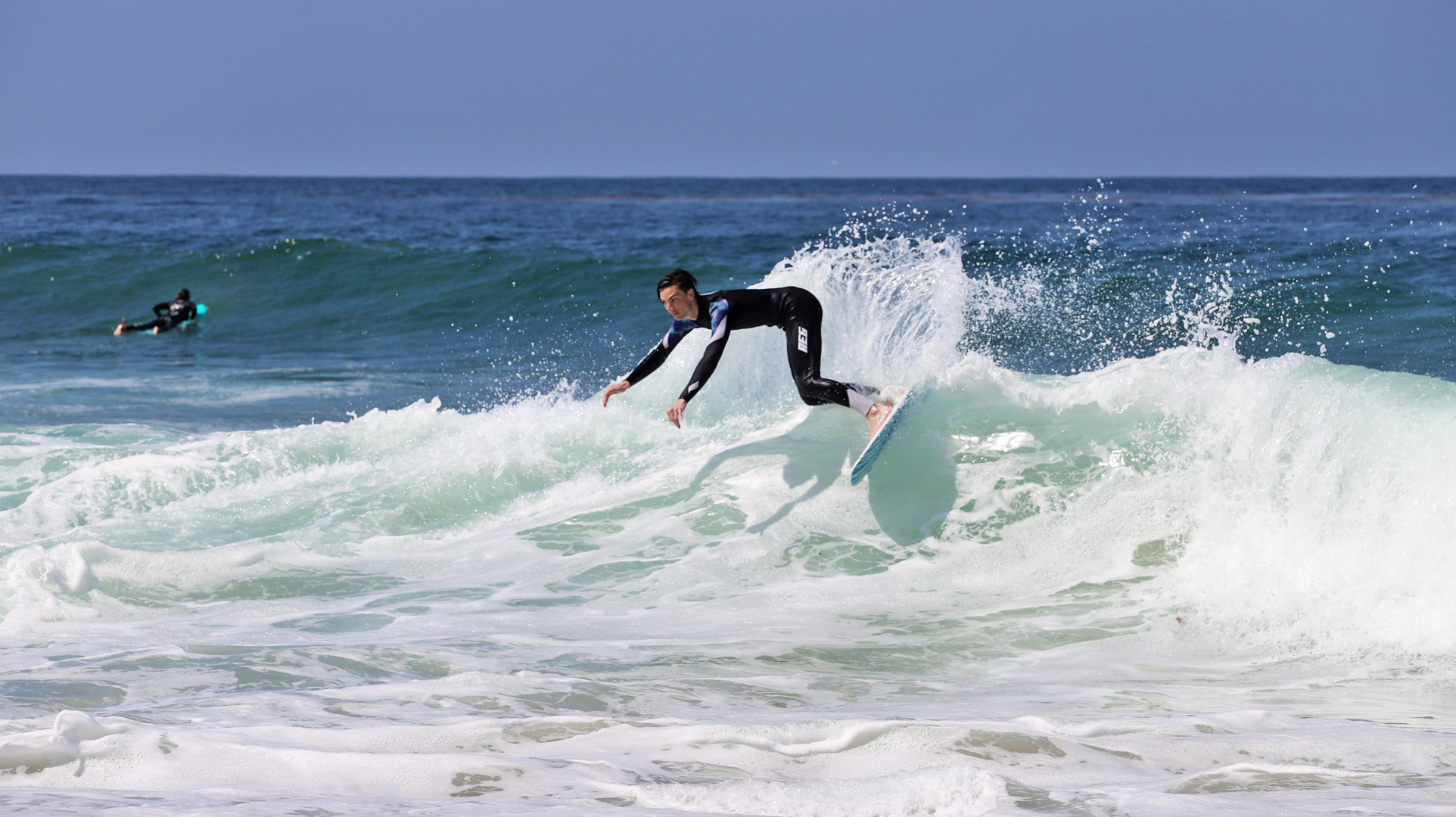
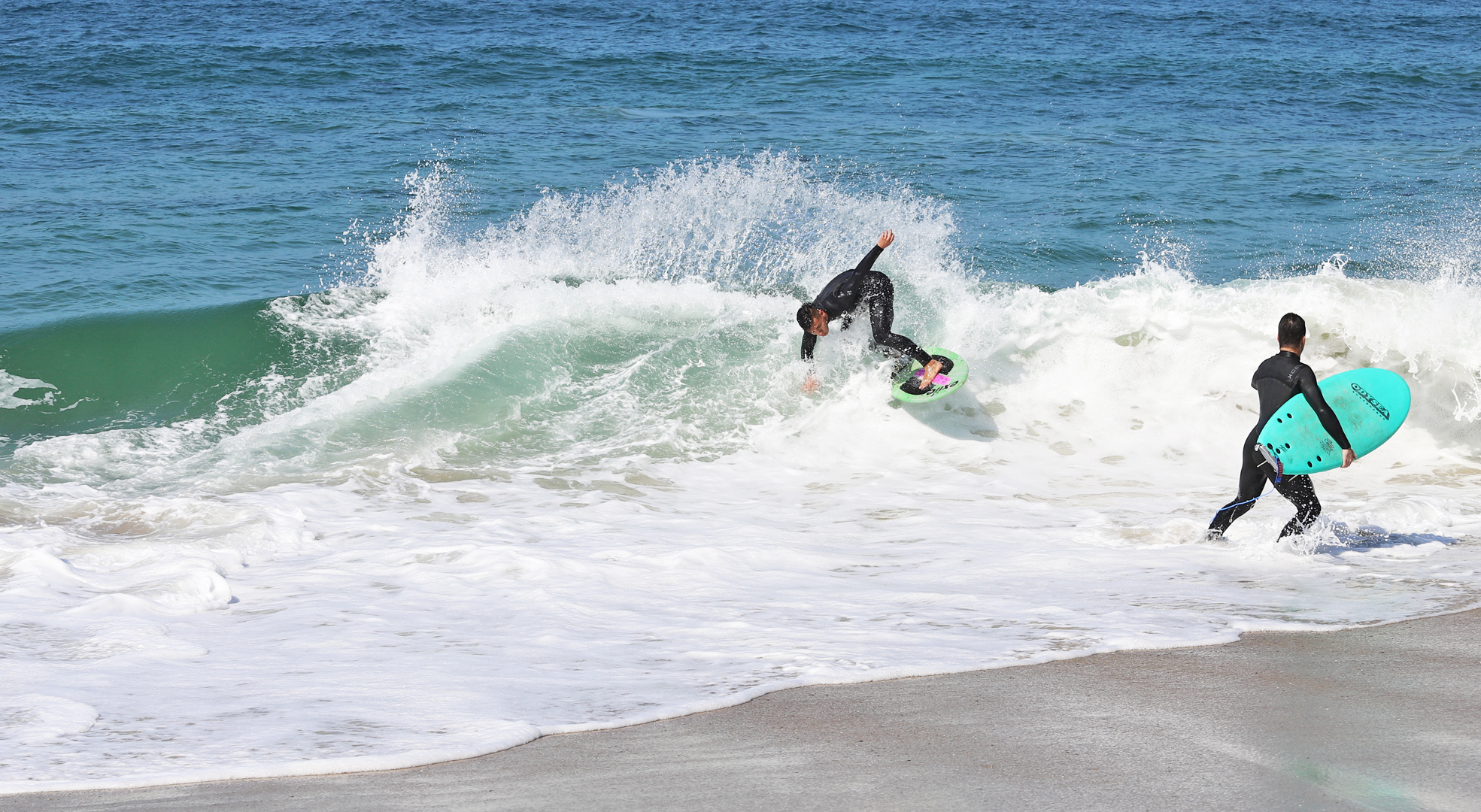
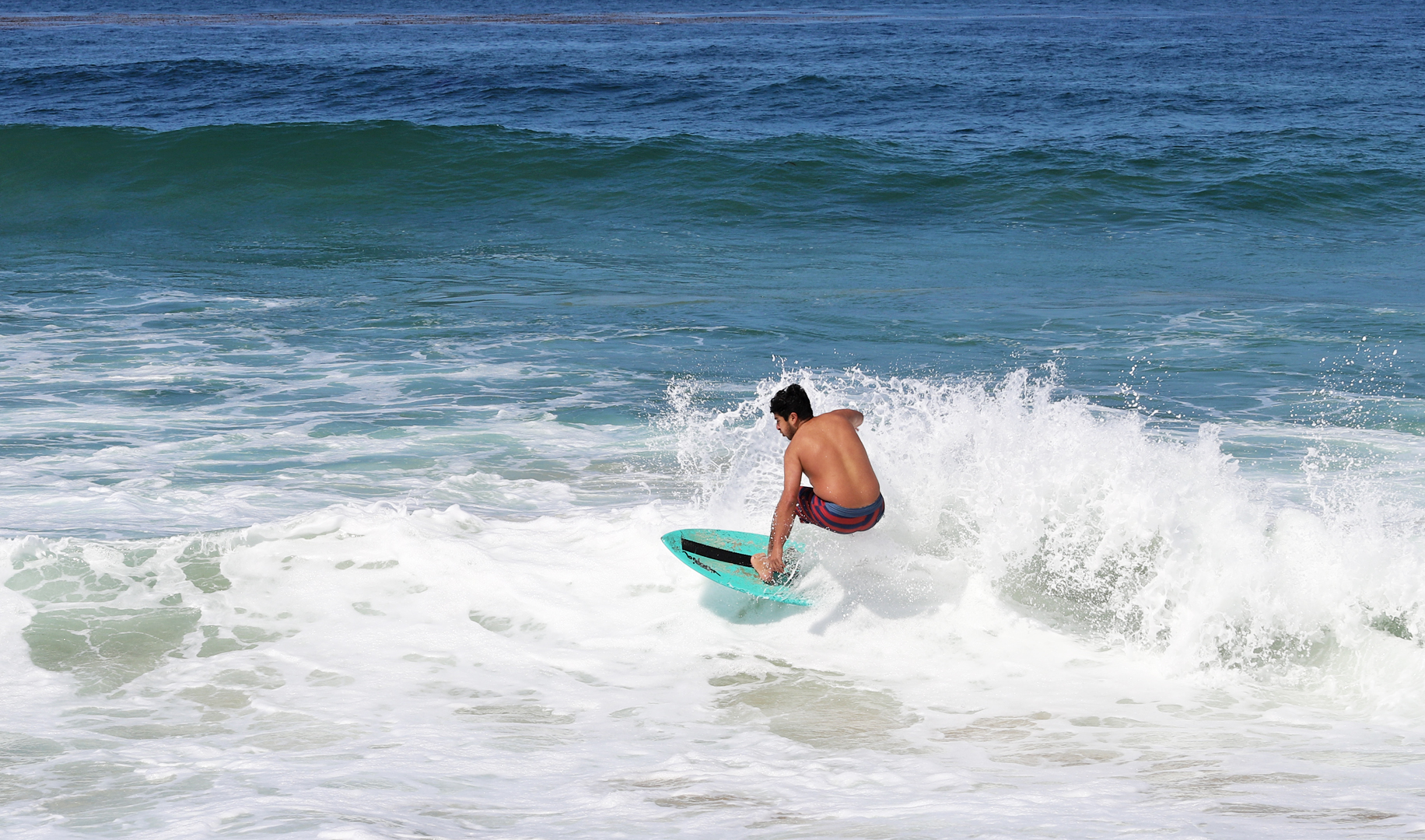
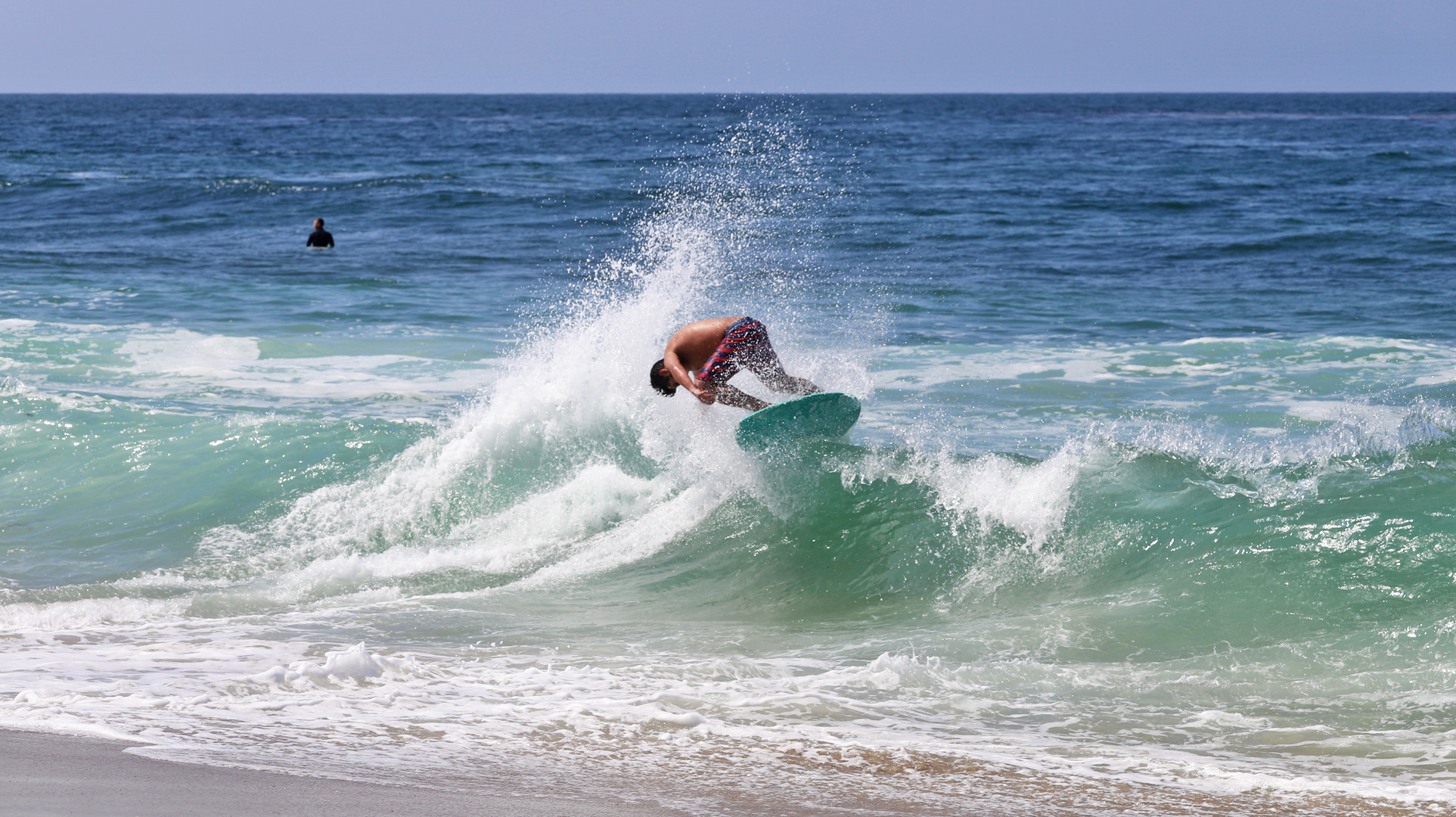
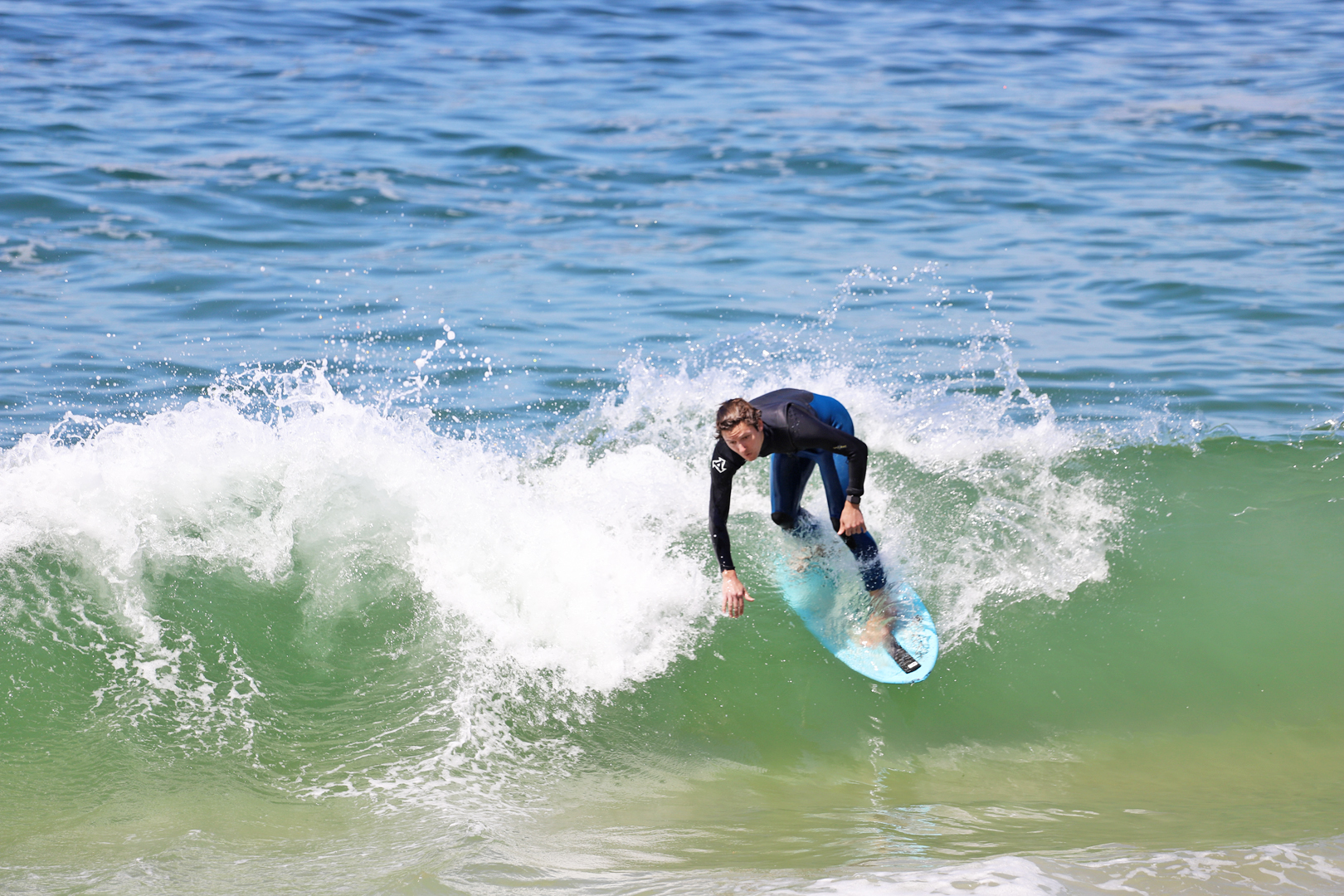
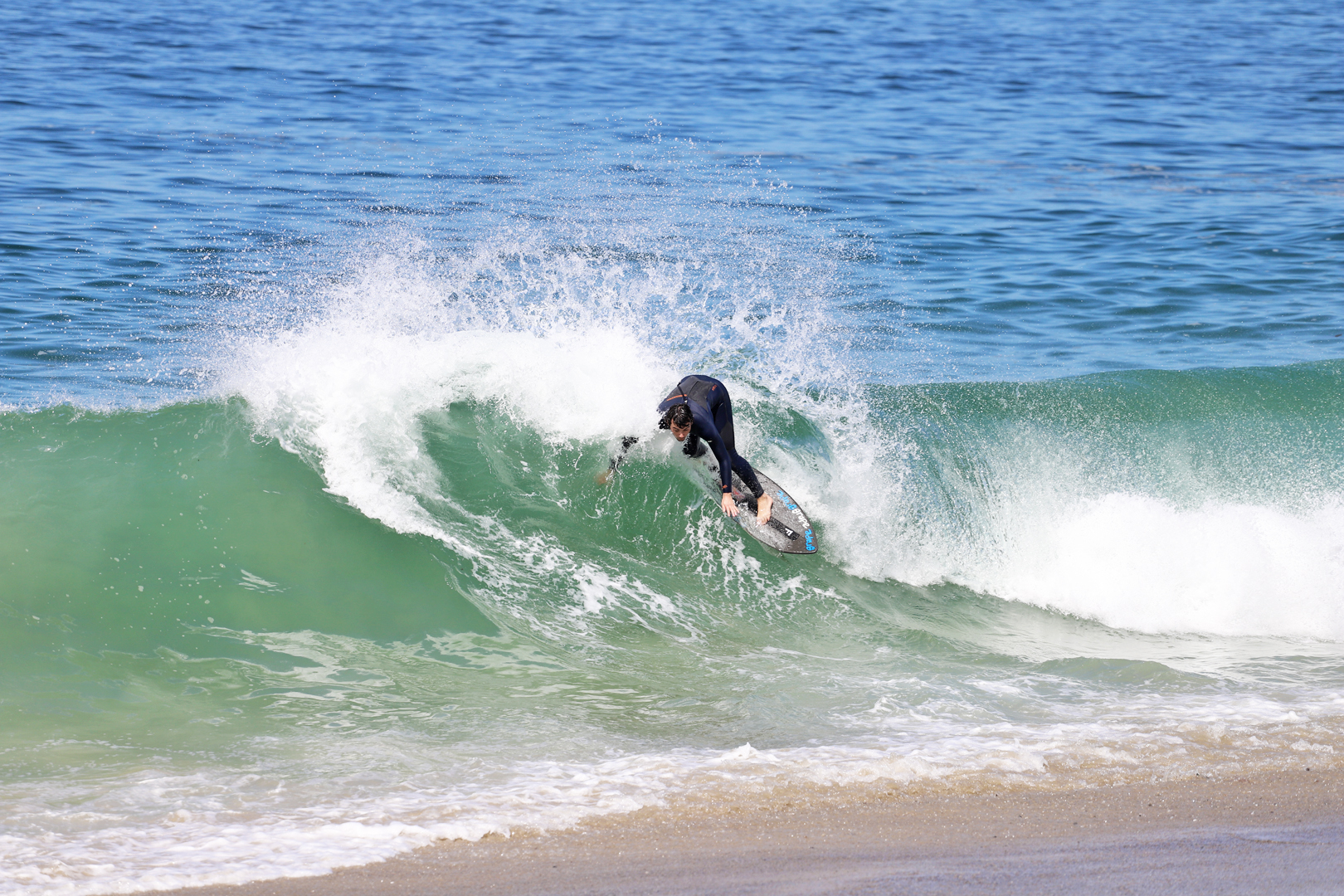
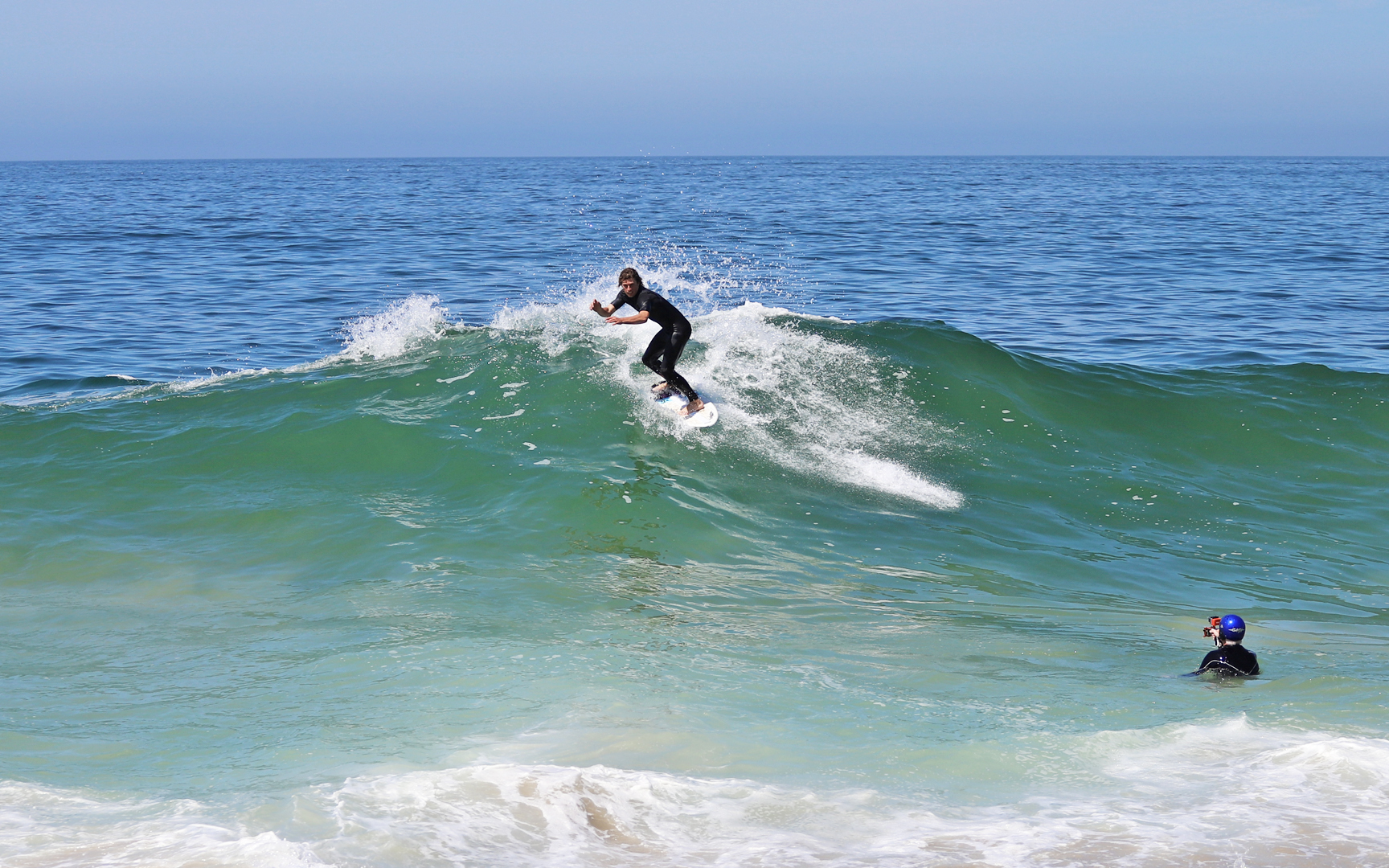
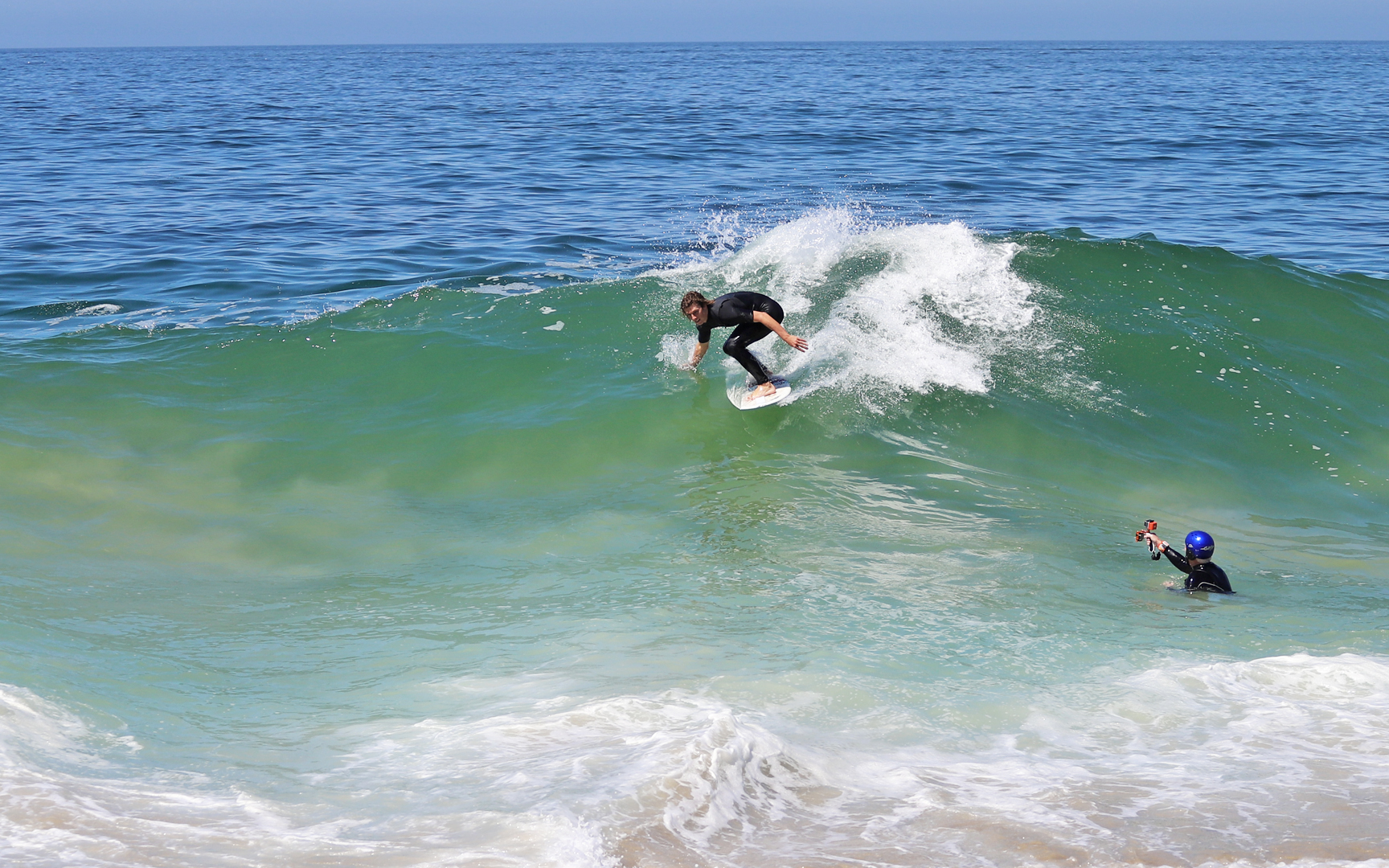
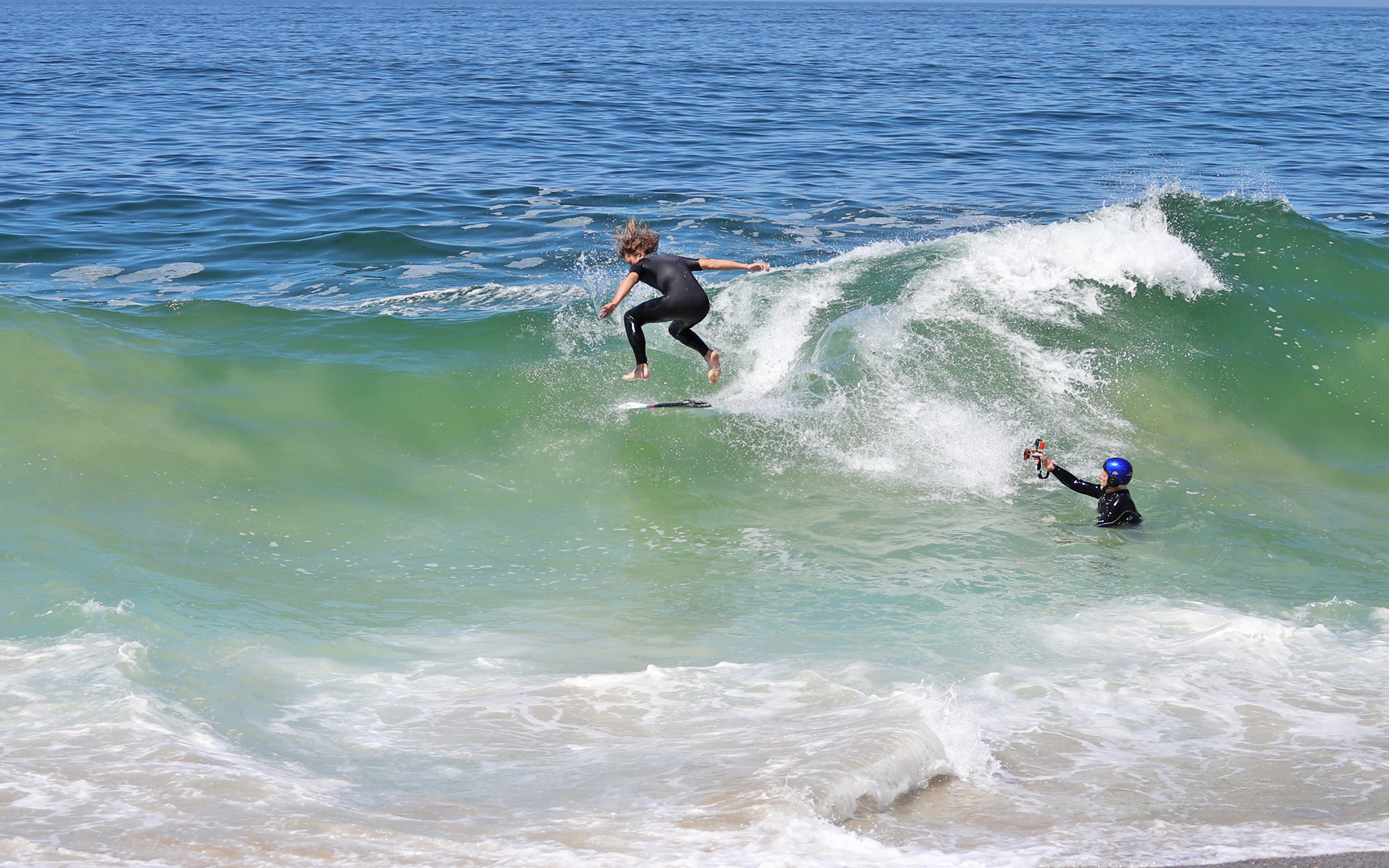
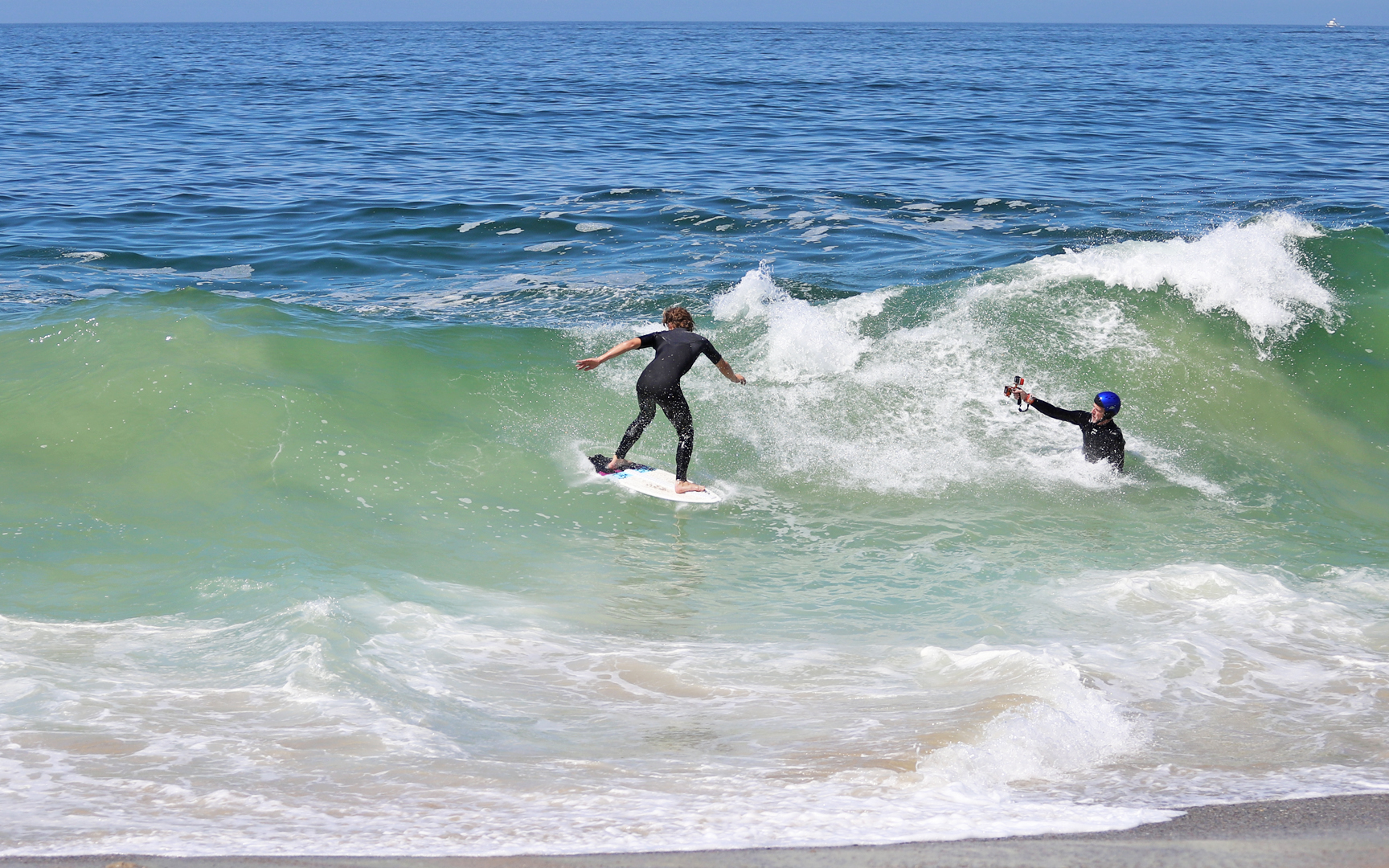
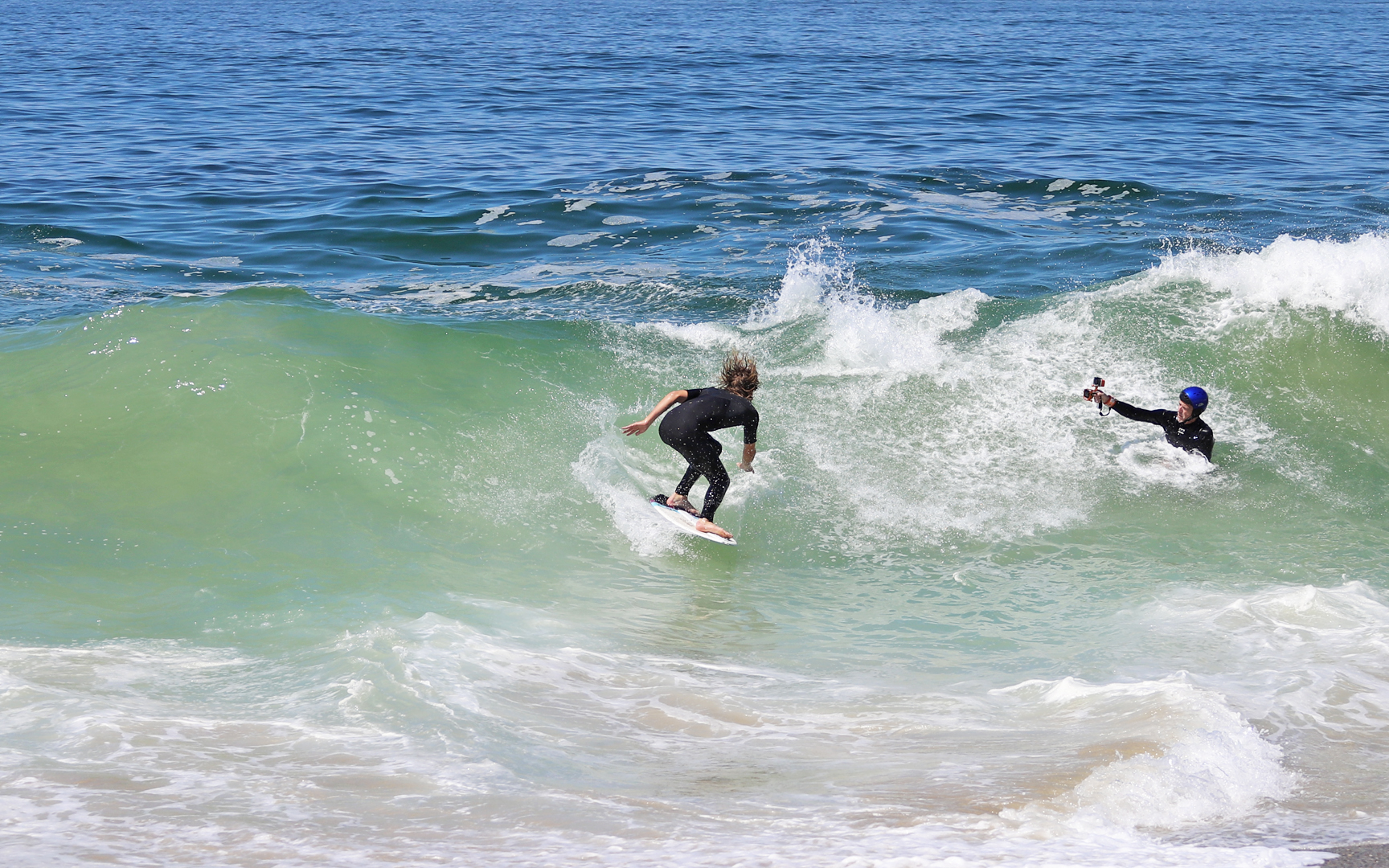
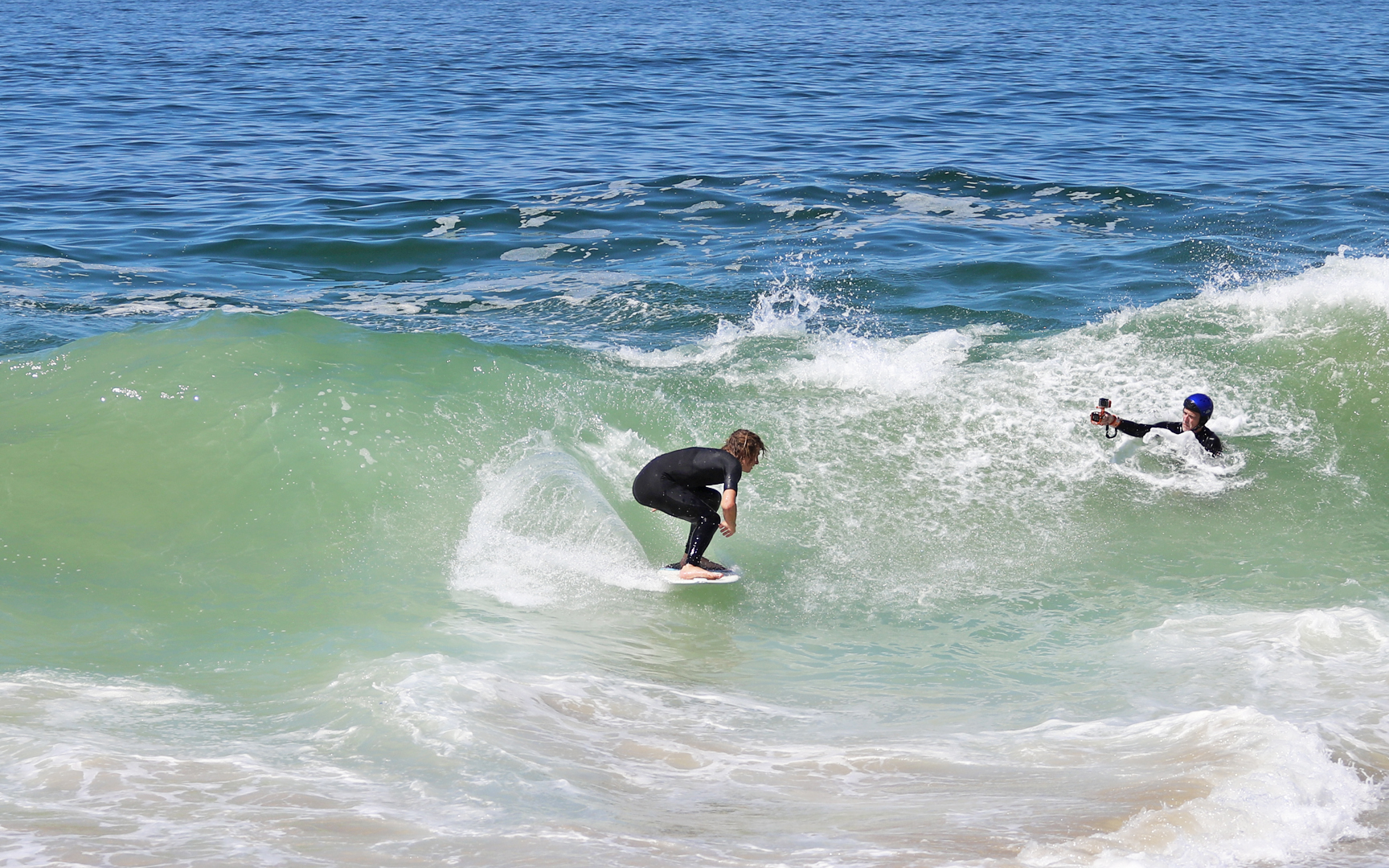
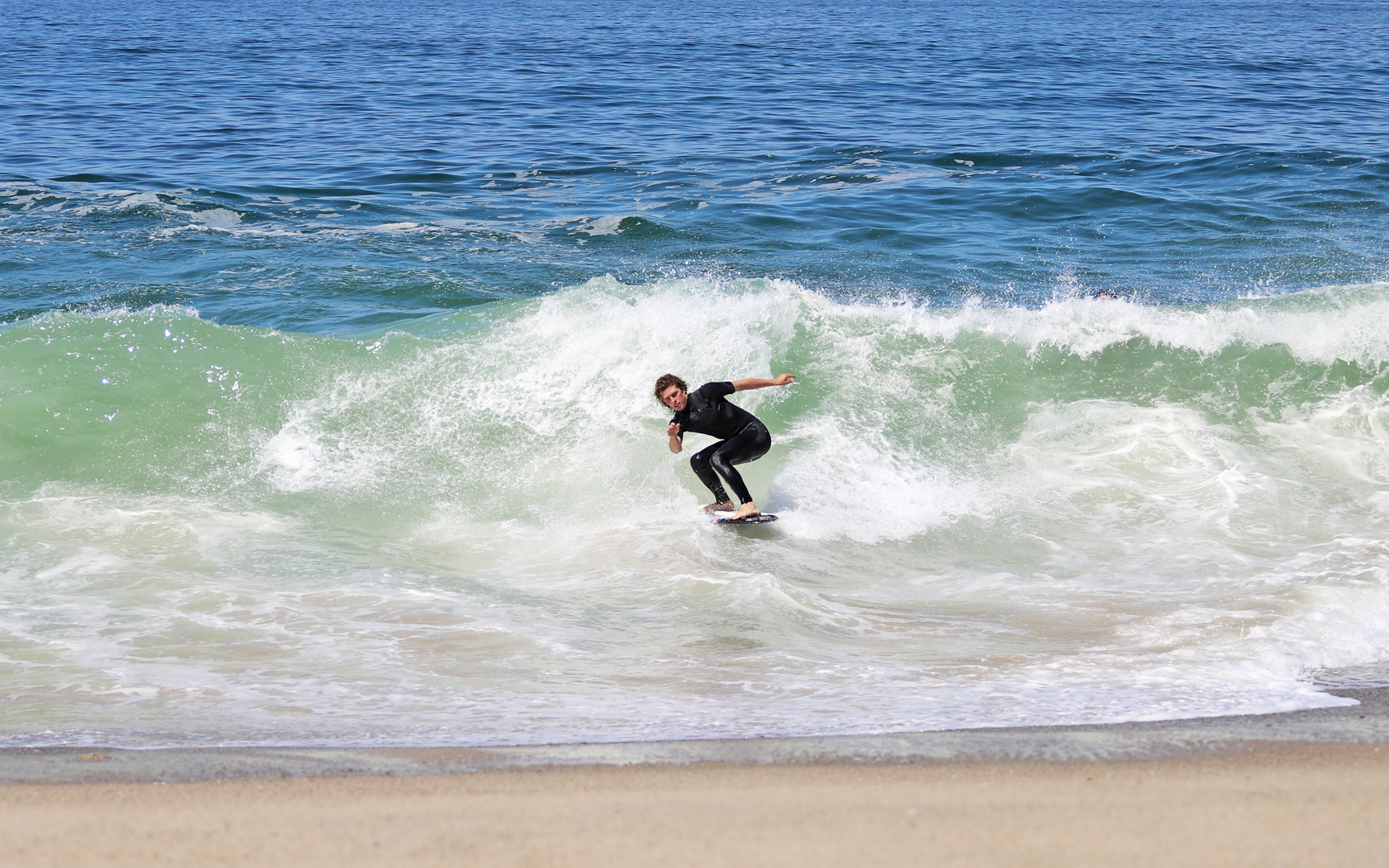
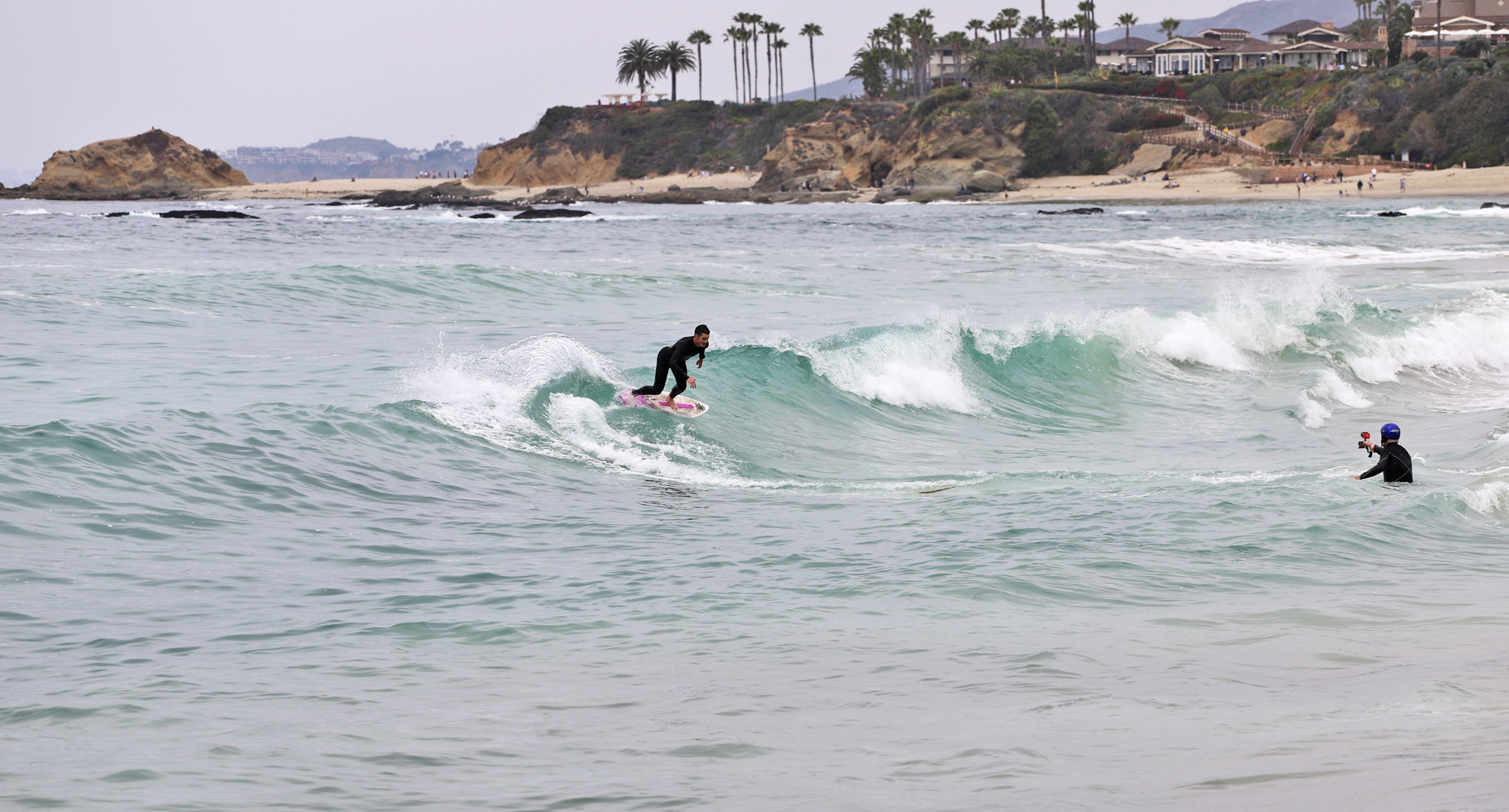
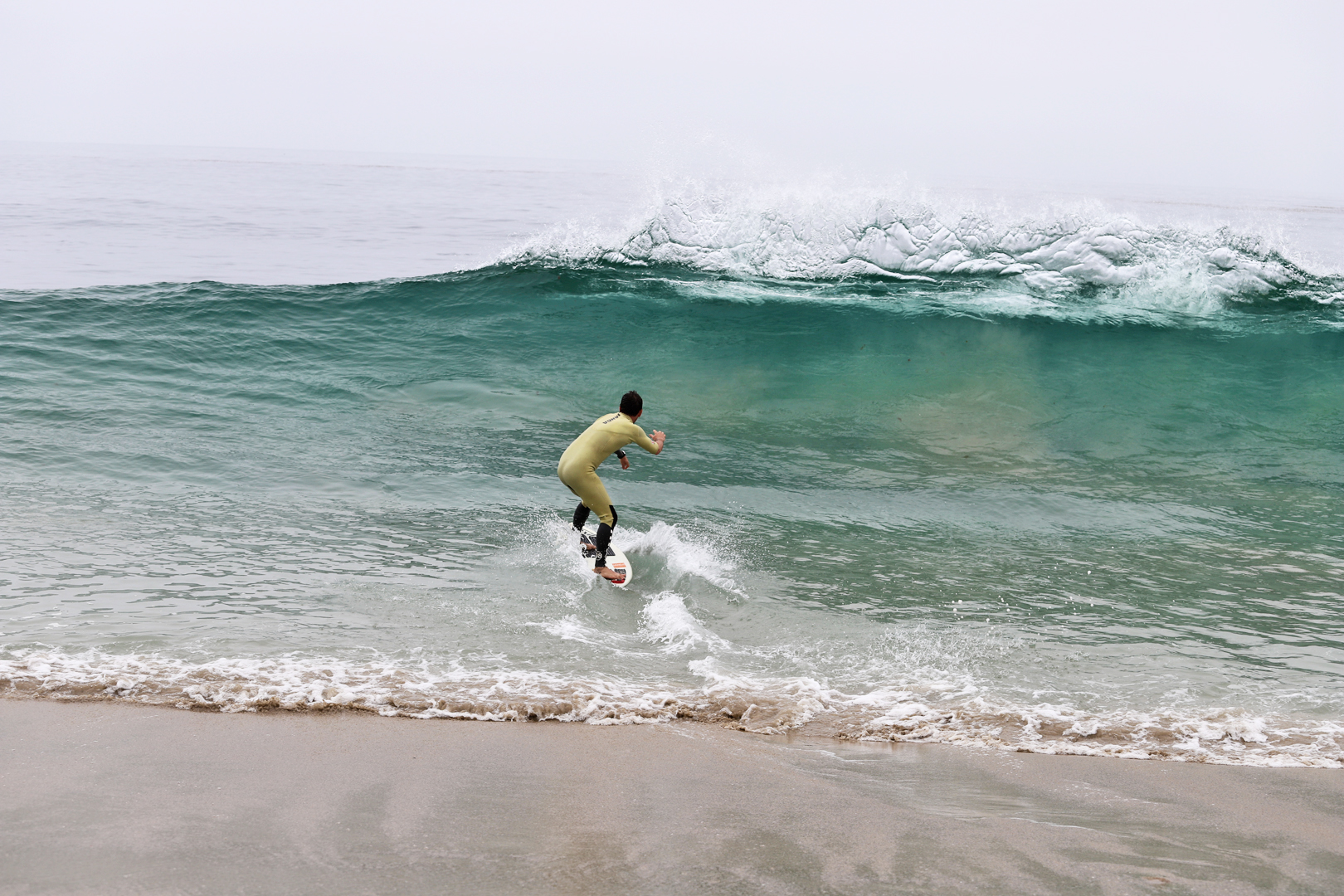
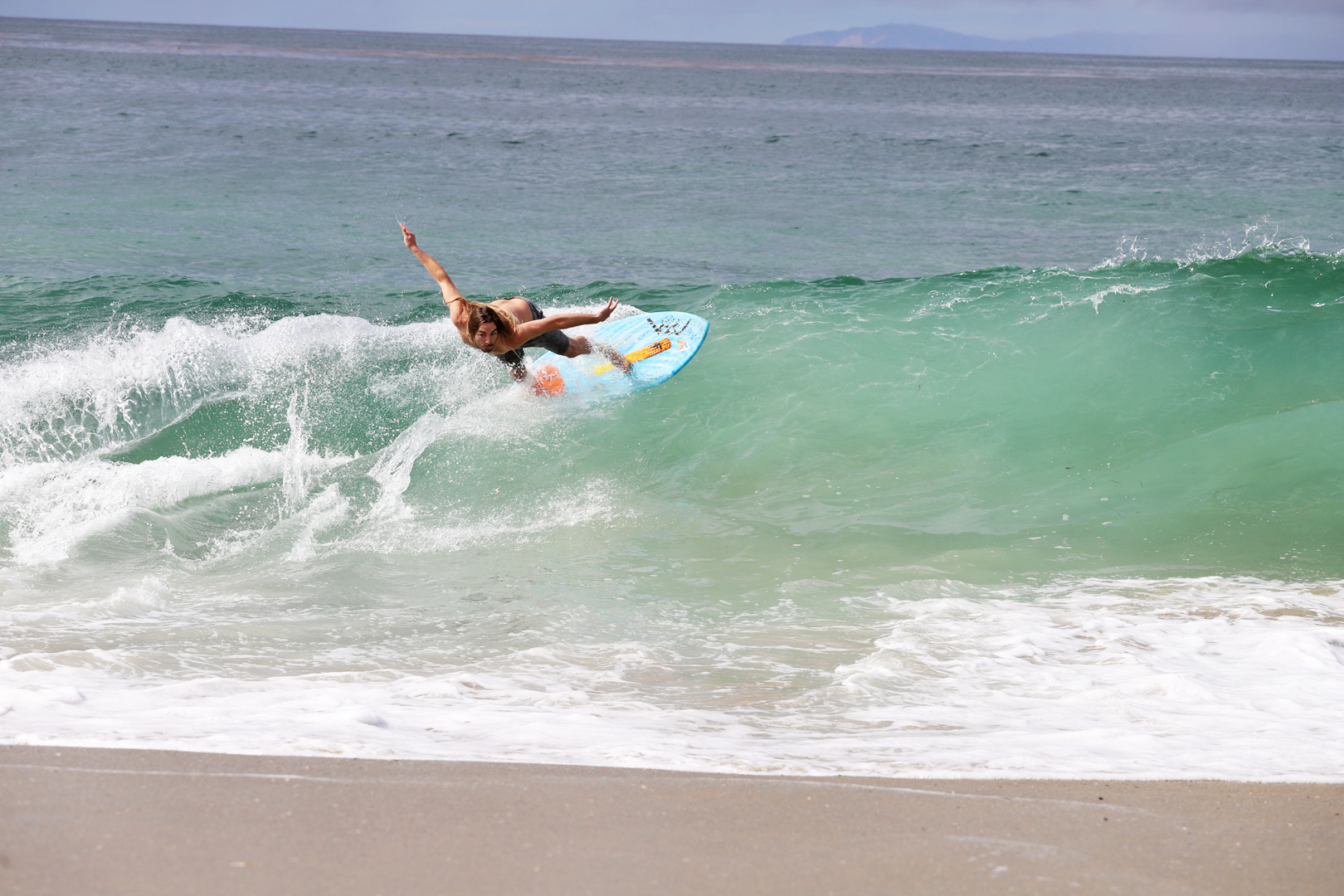
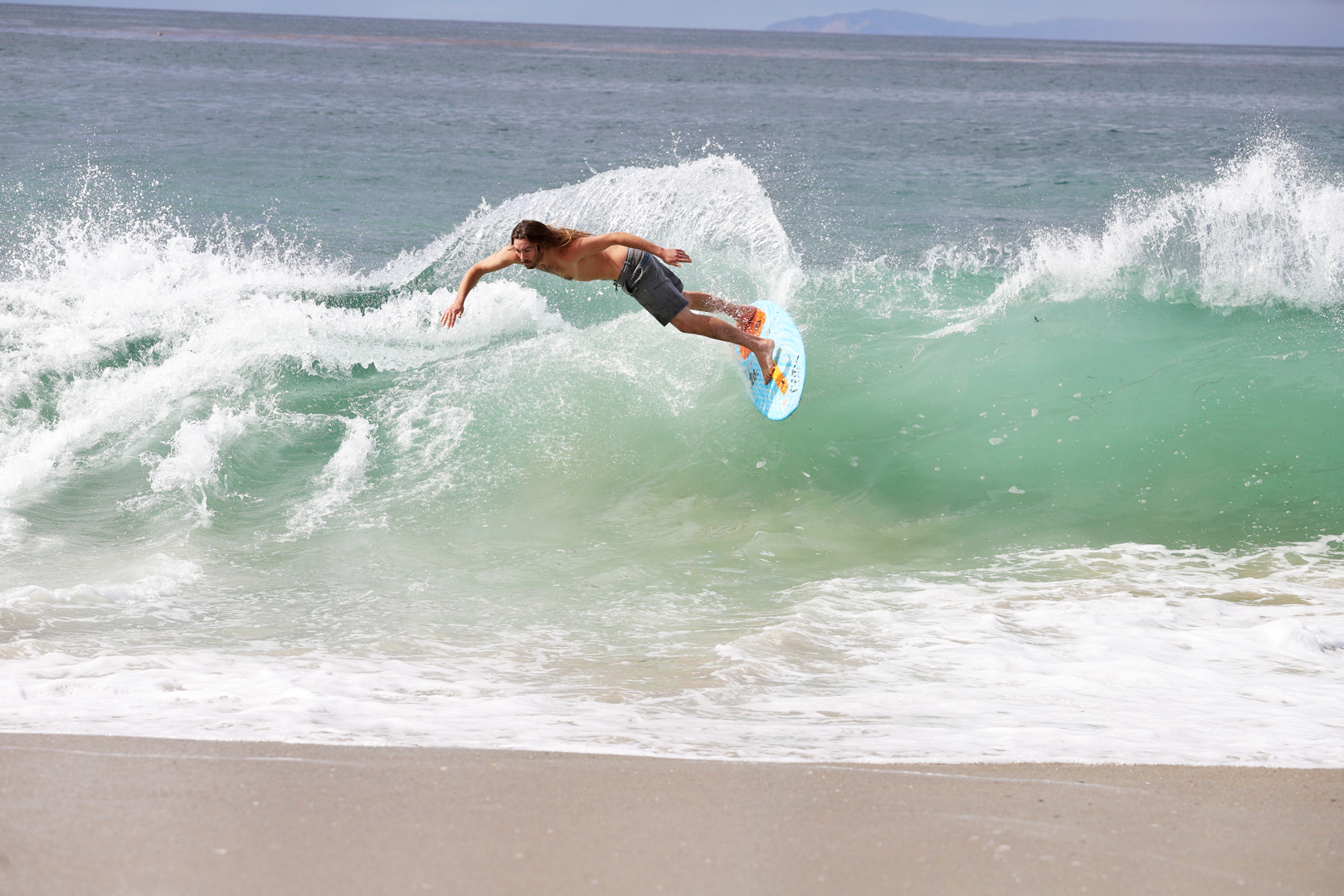
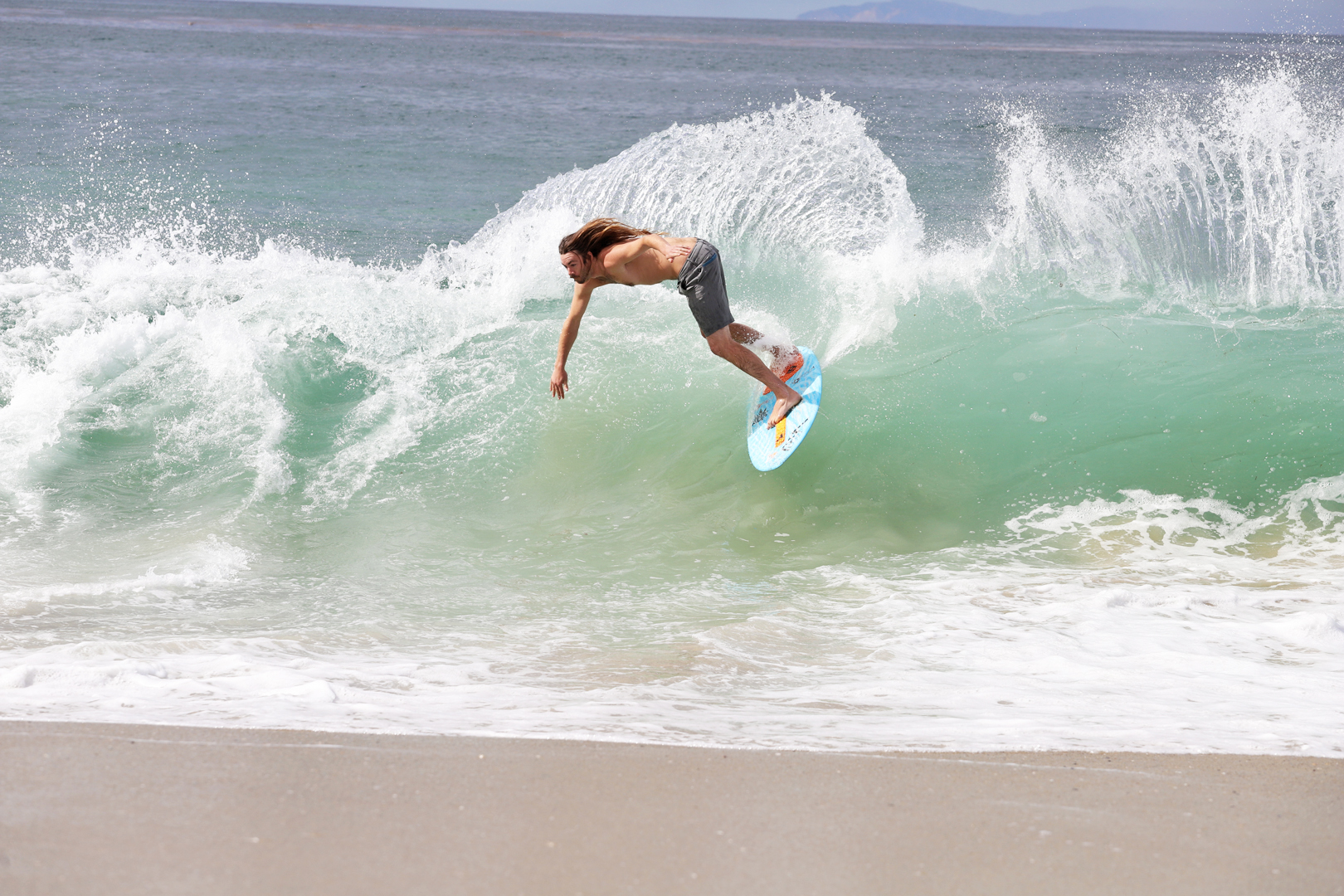
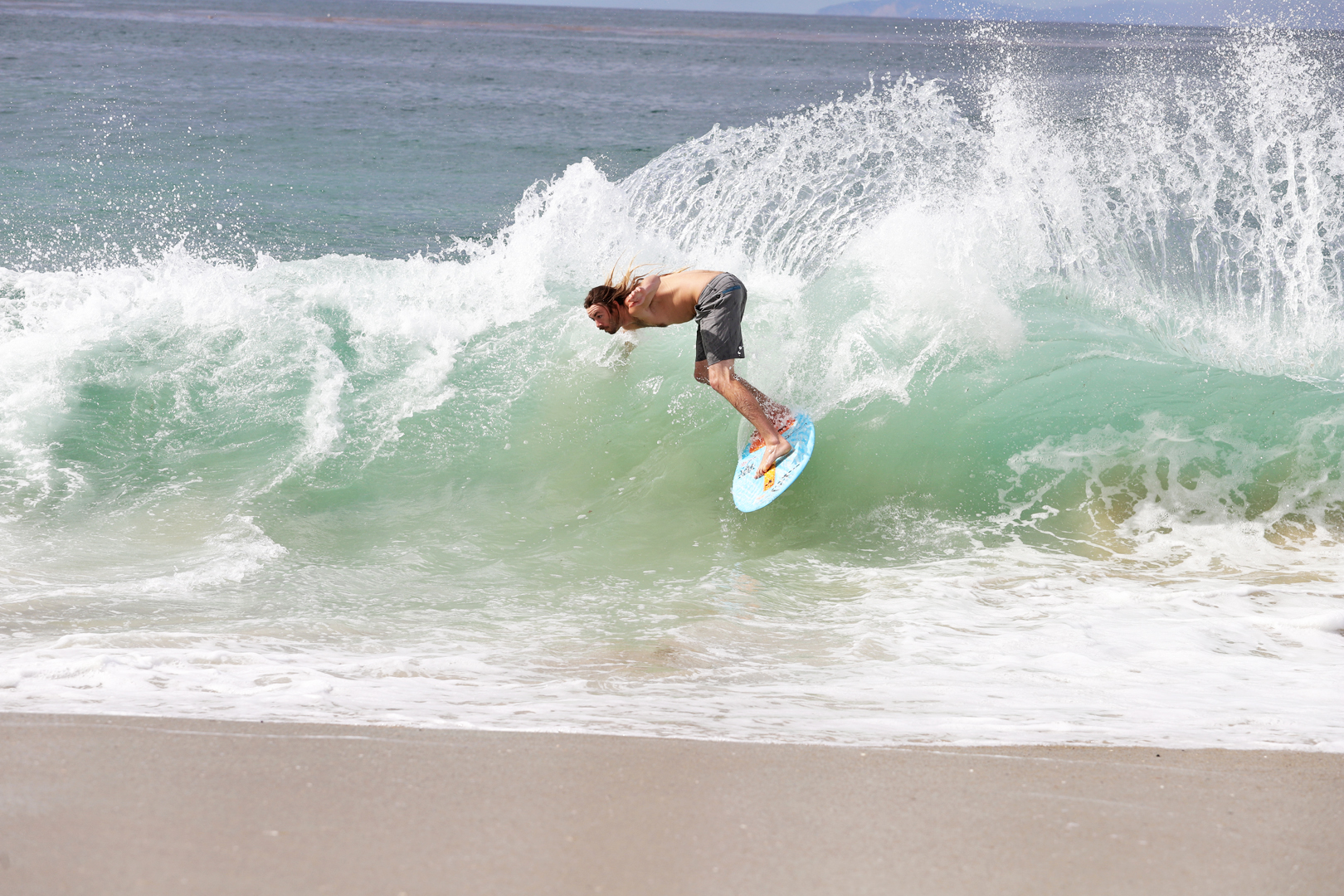
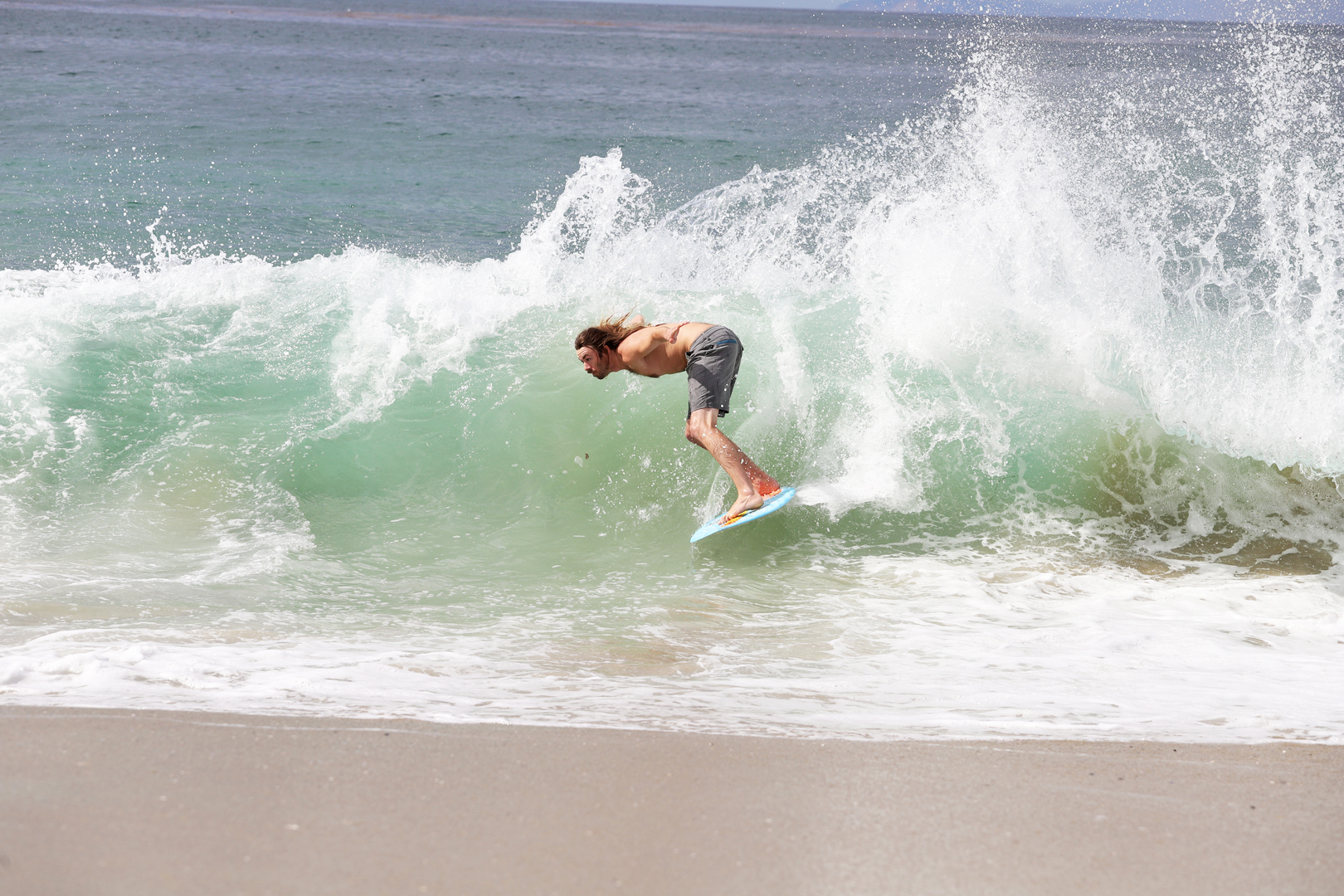
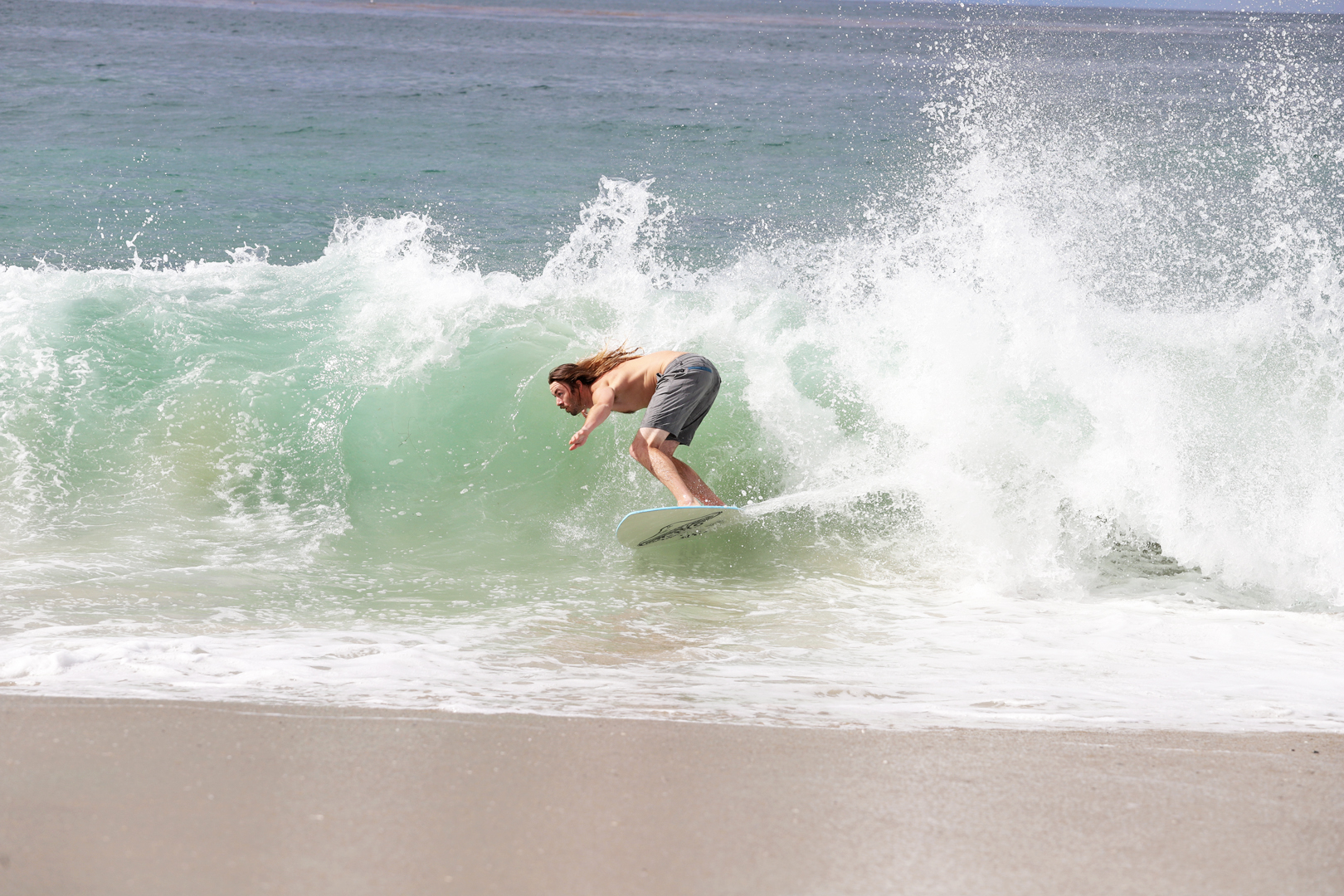
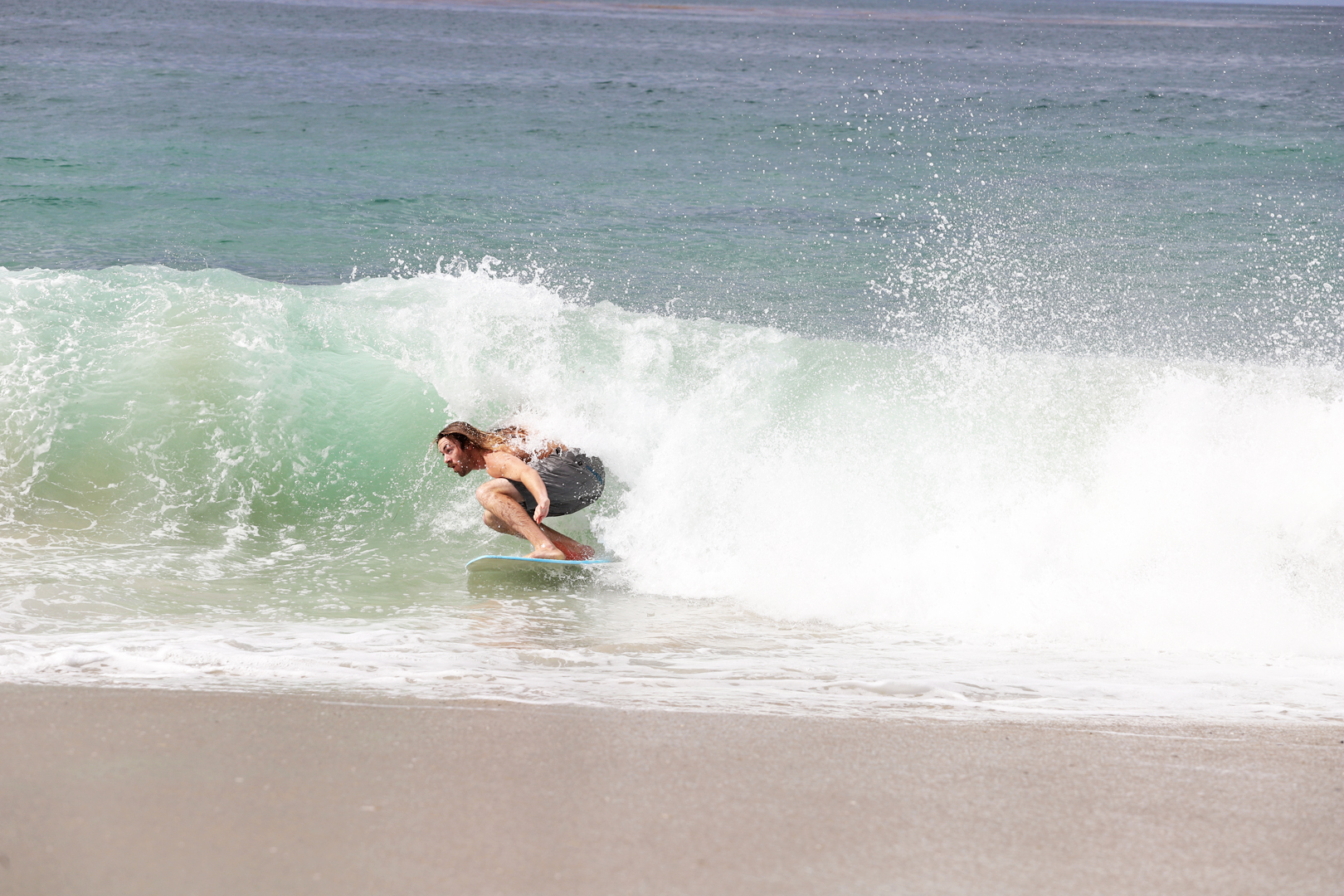
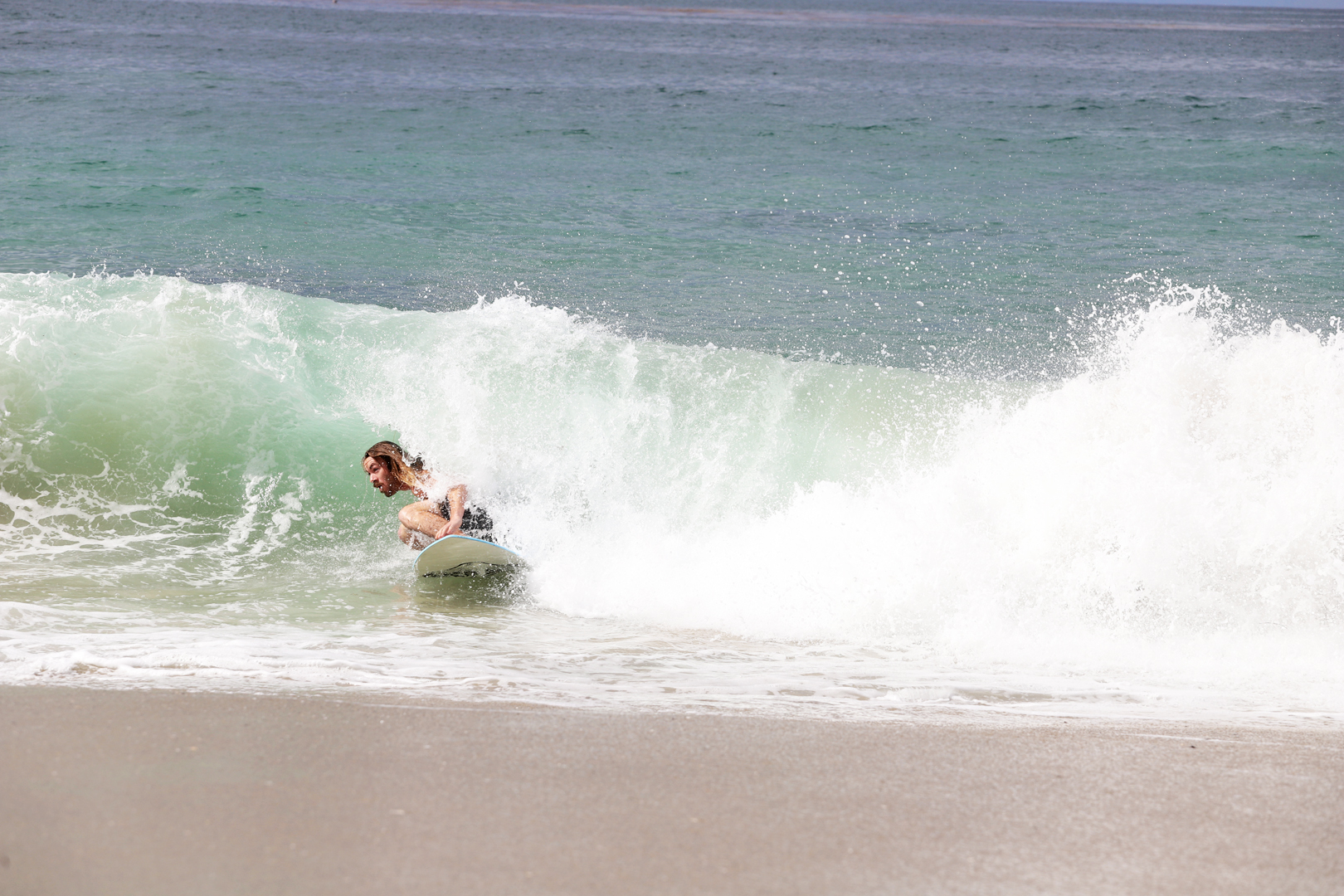
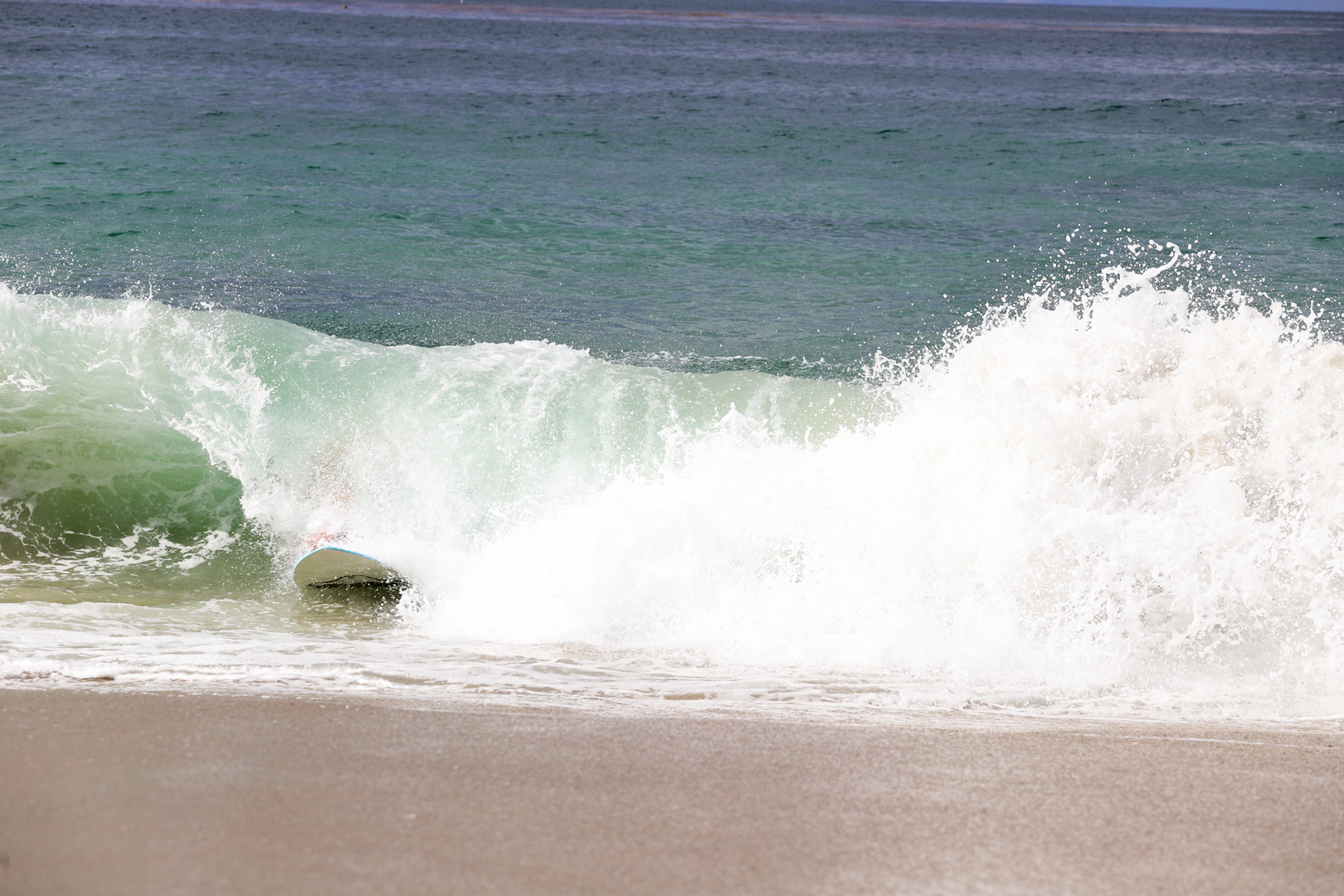
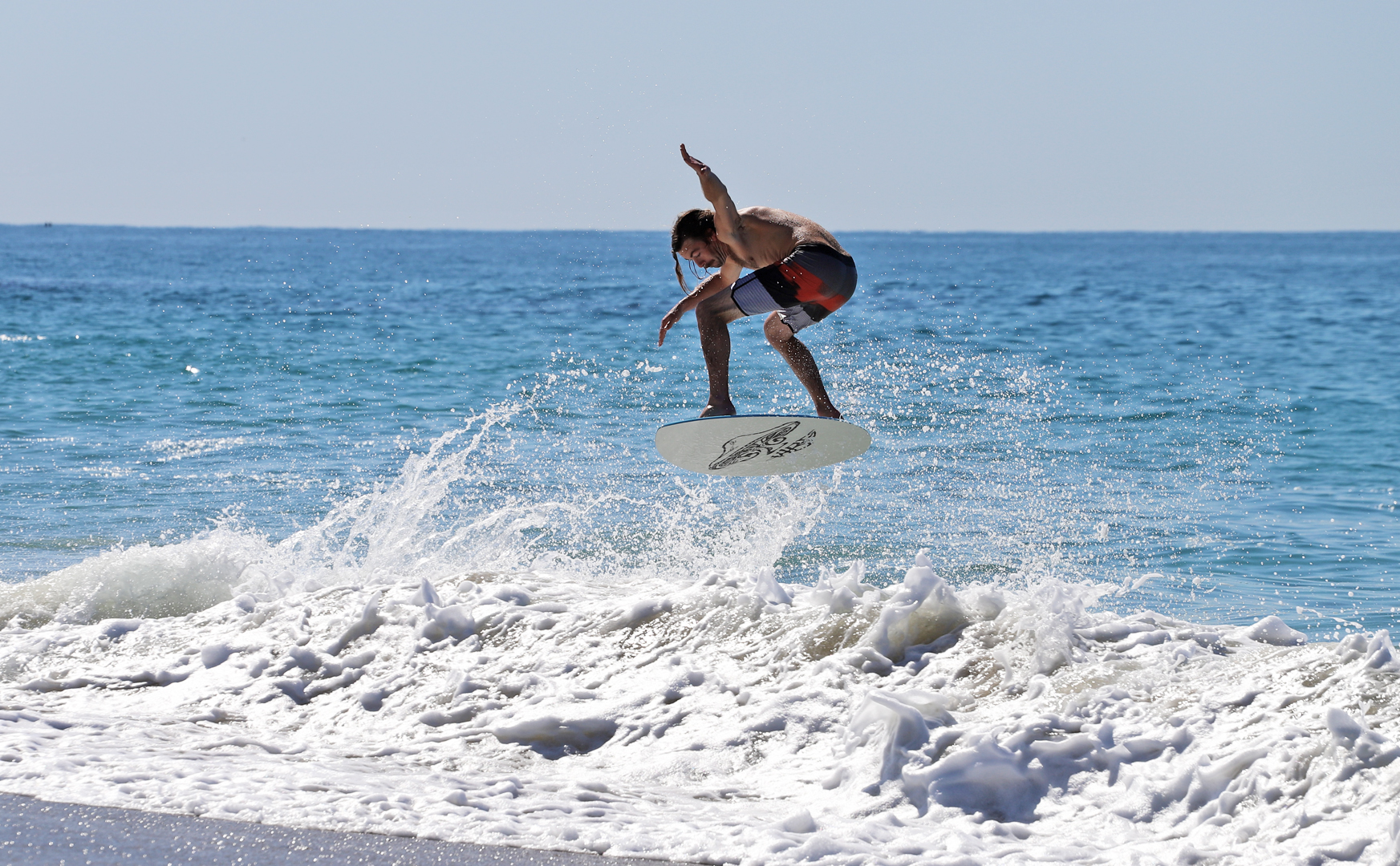
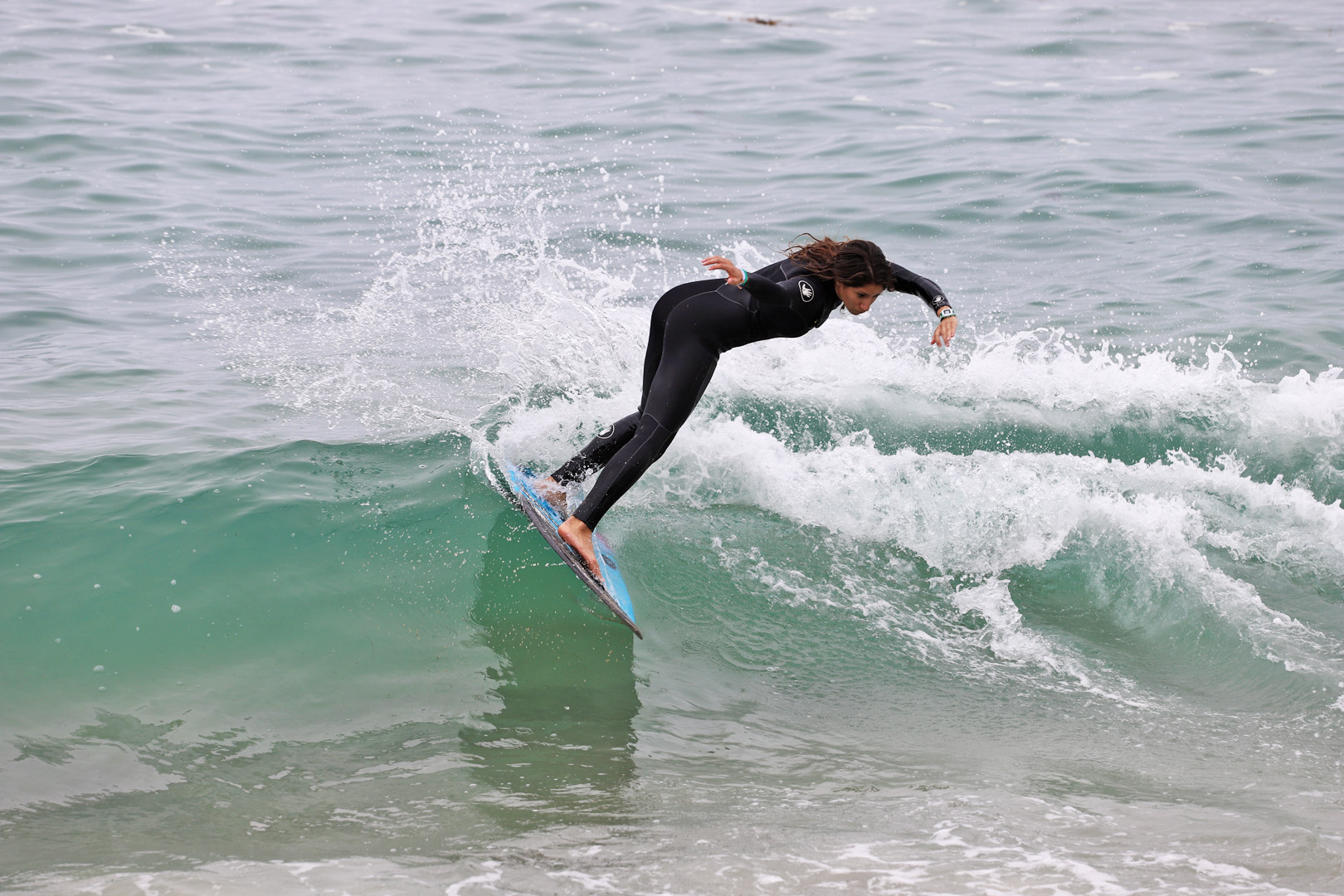
Little choppy conditions for this Saturday Session, but some clean ones came through. Teddy was present and Tex shot this beautiful sequence of Teddy that is just perfect to analyse a good “wrap”.


As you get closer to the wave, group your body, bend your knees and a lot of people slightly touch the water with their back hand to initiate the upcoming turn. The back foot should be placed as far back on the board as possible.

Going up the wave, while turning your head and shoulders towards where you are going, full body extension. You can even spread your arms like Teddy here for better stability.

Keep turning, always keeping your eyes on where you want to go (down the line) body is in full extension here as Teddy reached the top of the wave.  You are almost vertical at this point.

As you start going down the face of the wave, you can initiate regrouping your body, starting to slightly bend your knees, pushing on your back foot to keep the nose of your board out of the water. Arms spread out for stability, balance, control.

Eyes down the line and bringing your board back under your body.

Start regrouping your body while completing the turn. Eyes always looking down the line.

Board is back under you and you start crouching to fit in the pocket. A good half of the rail is in the shoulder of the wave.

Crouch more, always looking down the line.

Bend your knees and hold the rail of the board inside the pocket. bring your arms back closer to your body.

Fully crouched, holding the rail in the pocket, pushing on your toes.

Find as much speed as possible, to stay in the barrel as long as you can, still and always looking down the line.

The safest spot to be is in the barrel. Stay crouched to disappear as long as possible.


Thanks Teddy and Tex for producing such an interesting sequence, perfect to explain every step of good skimboarding “wrap”. Share this article with your friends, let us know if you liked it and if you would like more tricks and sequences explained like this 🙂


Posted on

Saturday Session at Aliso


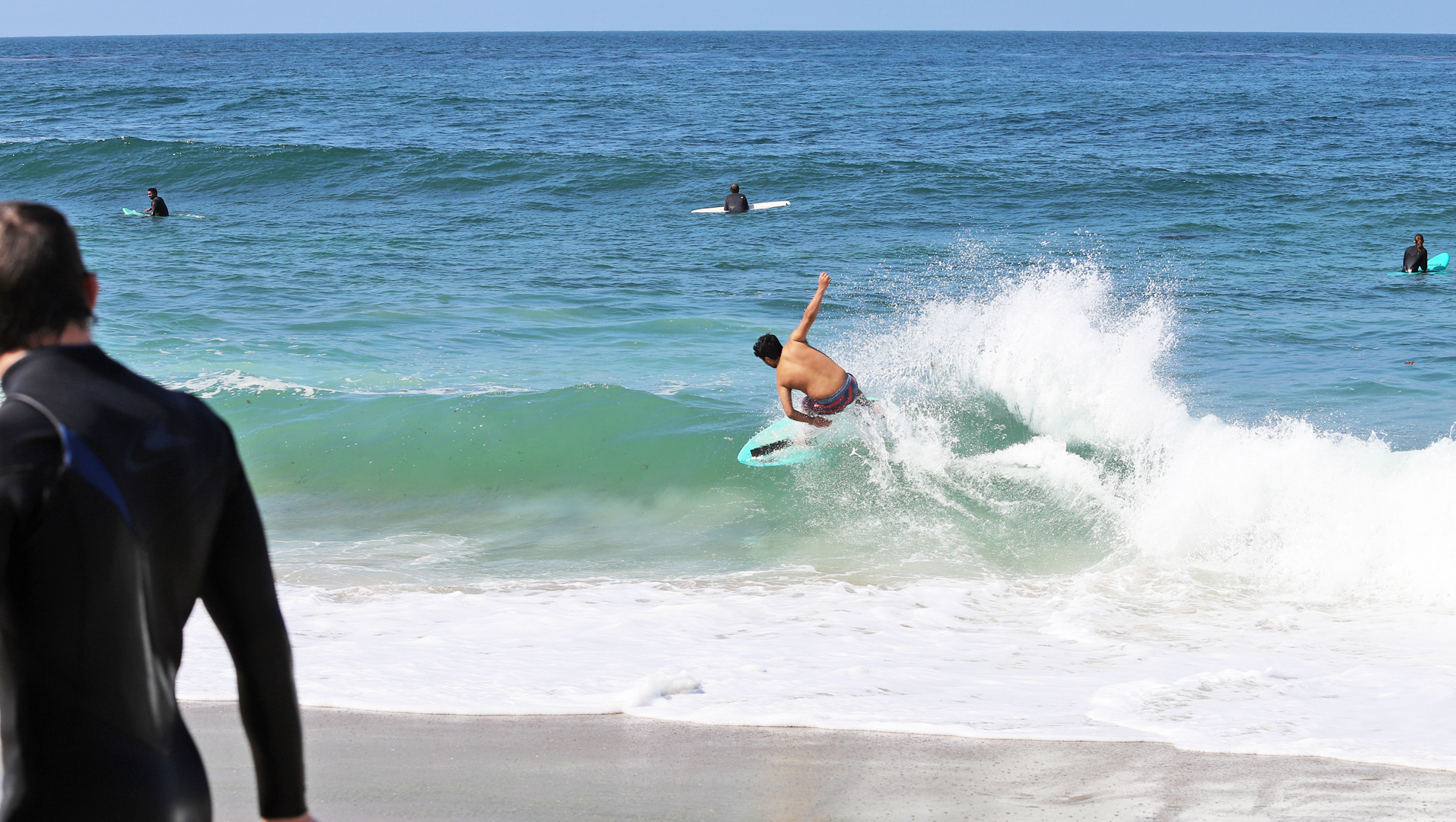
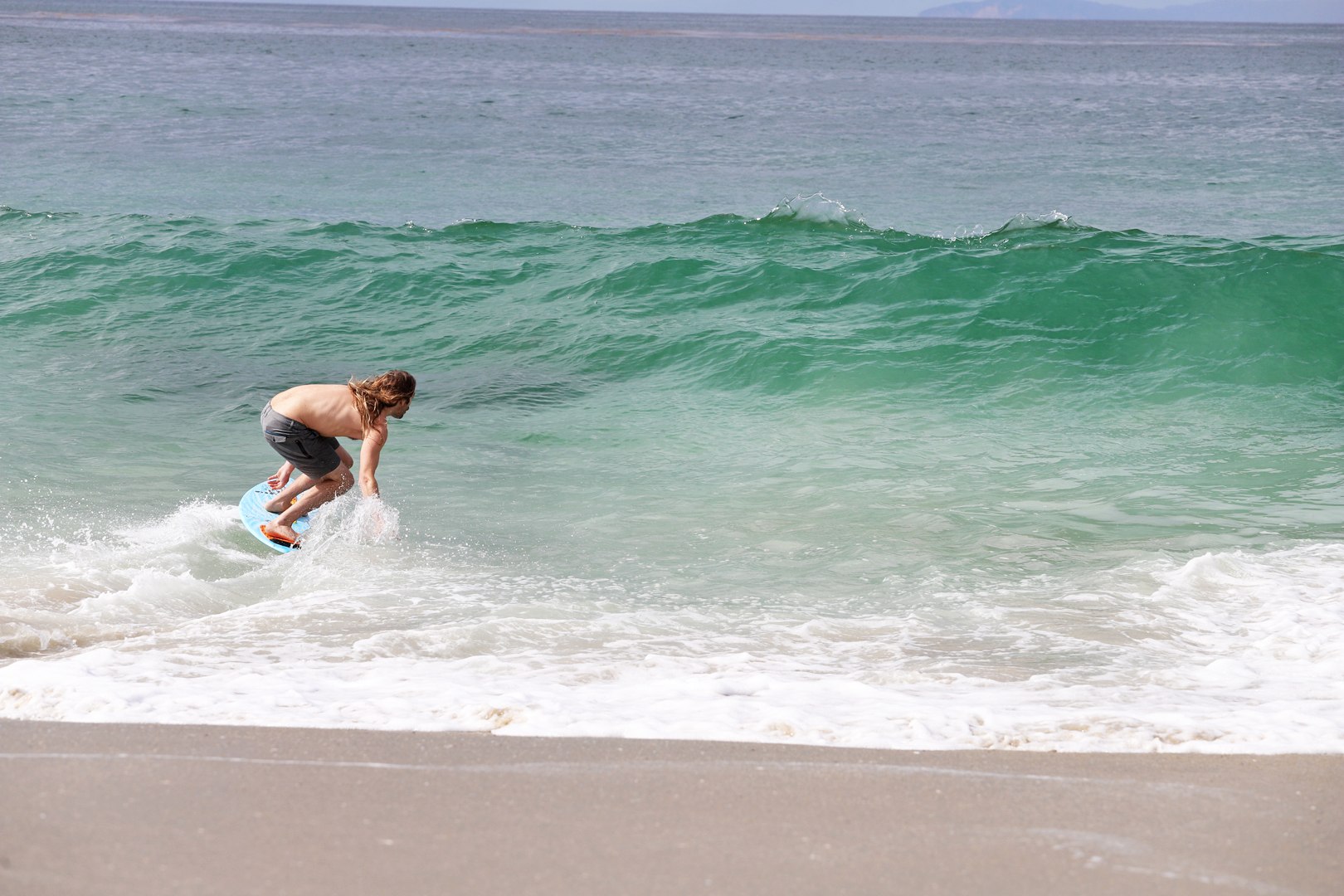
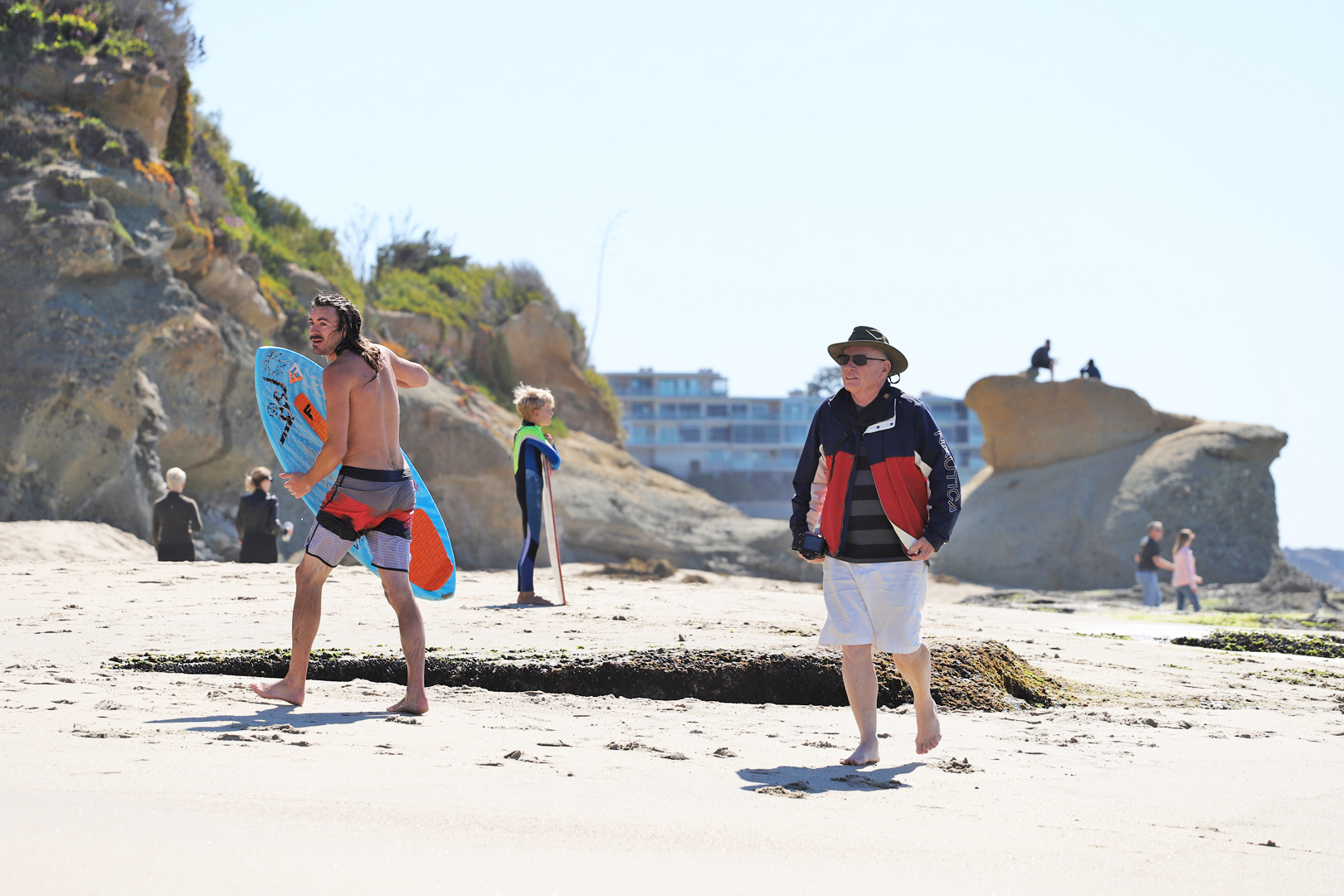
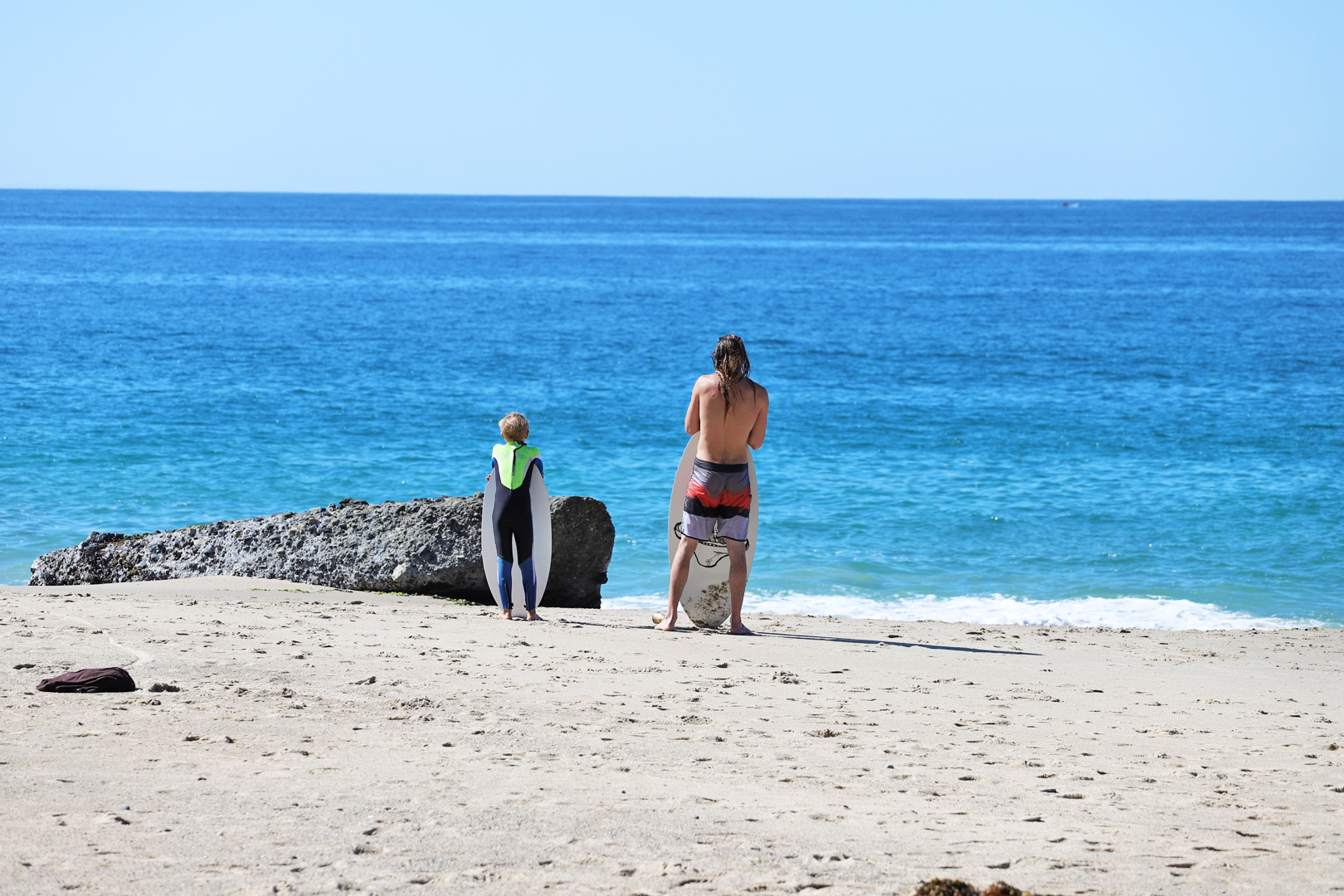
Very small condition, but it is always fun to go out there, especially in boardshorts like Teddy 🙂 Spring is right around the corner, we hope to see you next Saturday Session to share the stoke! We will have a Foil prototype for people to try out if the conditions are good for it!


Posted on

Foil Parternship

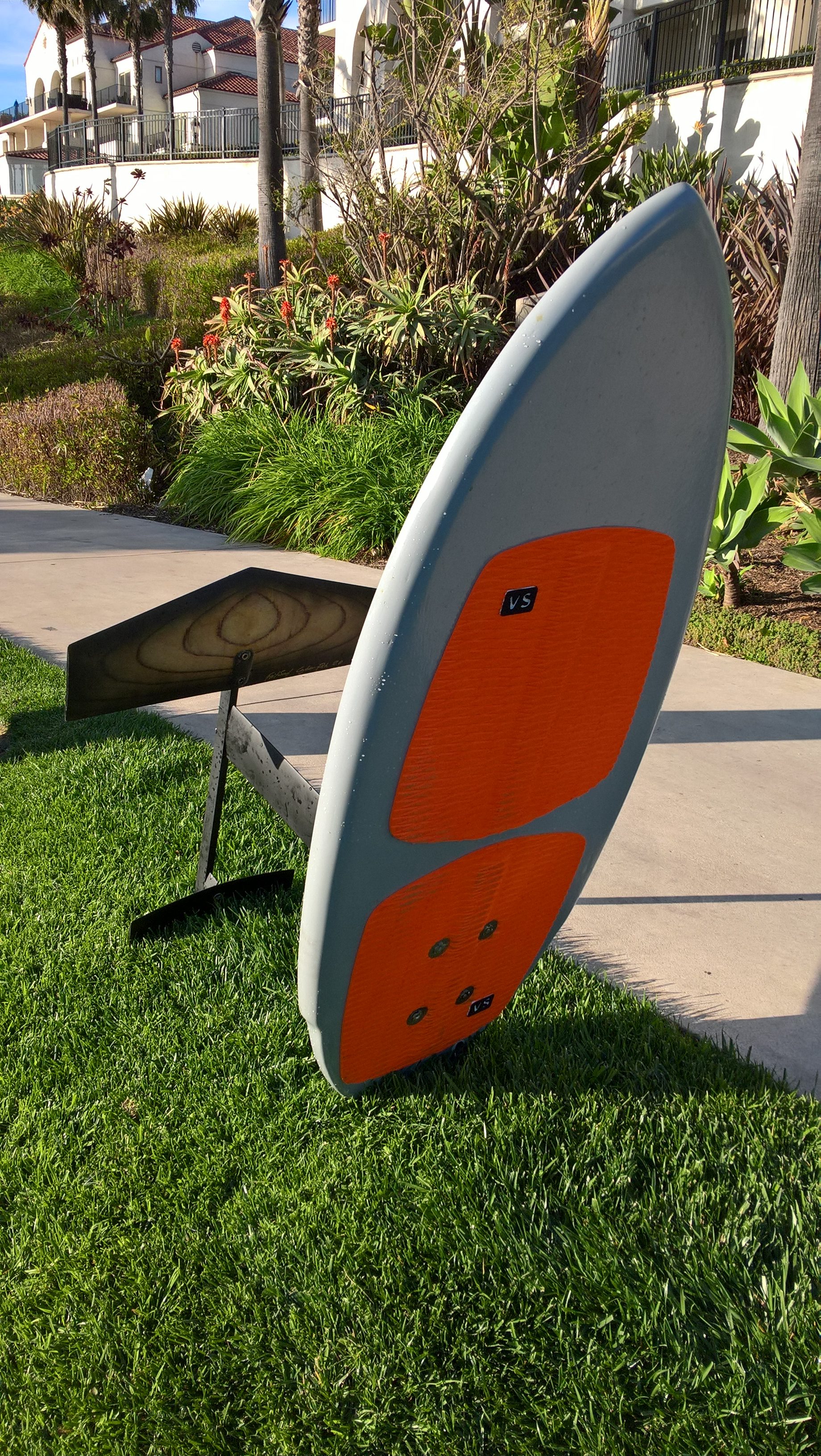
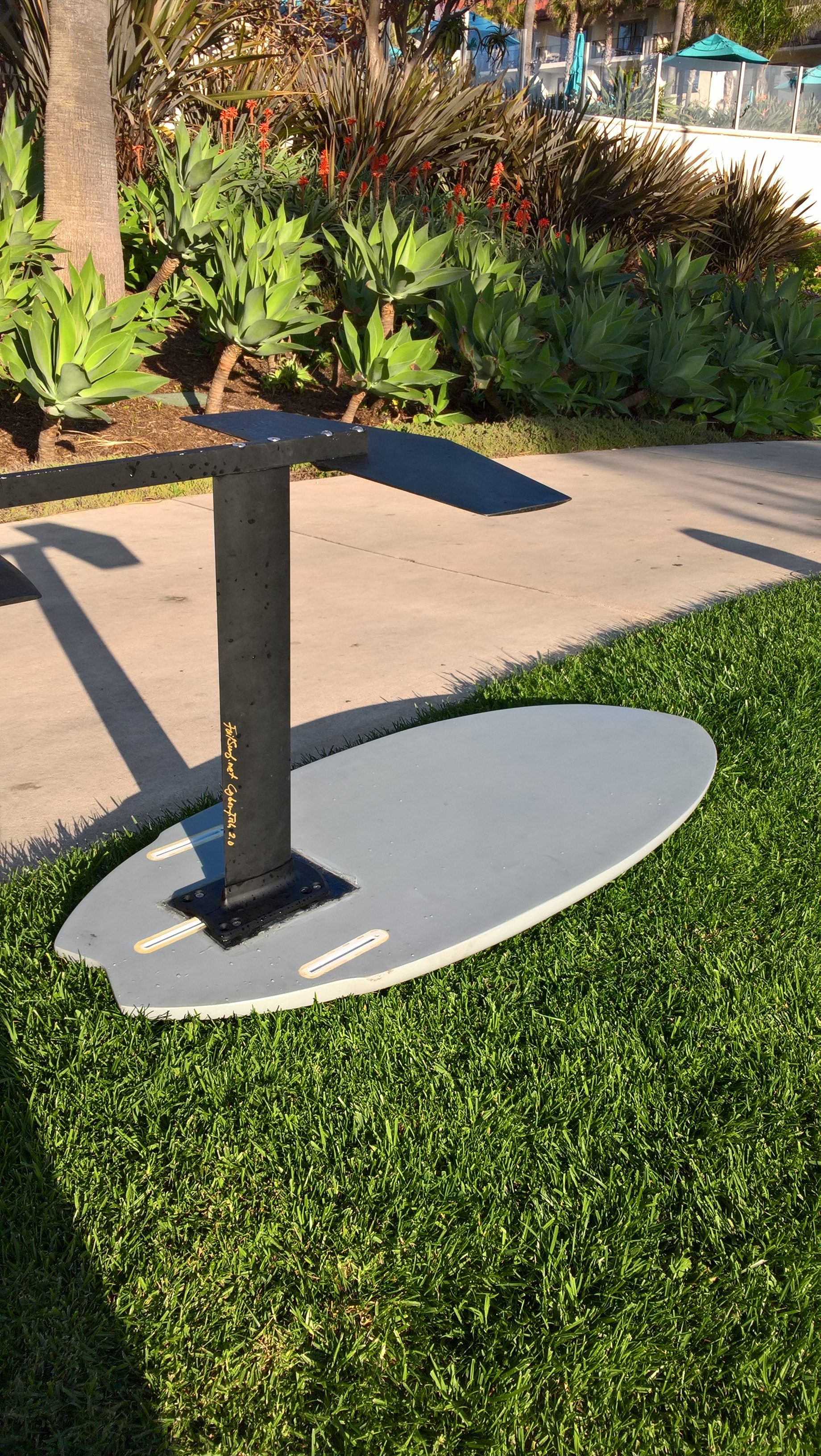
We are riding high on our new foil partner: www.foilsurf.net
Extremely efficient and extremely affordable, these wings will get you going quickly in minimal surf. Try our new hyper levitating Flying Fish and surf or foil for a crazy fun ultra low drag, ultra high dynamic, maximum pressure differential, flying carpet.
Tex
 

[twocol_one]

[/twocol_one] [twocol_one_last]

[/twocol_one_last]